If your home’s exterior is fading again just a few years after the last paint job, you are not dealing with bad luck. In South Florida, that cycle is common. When homeowners compare exterior coating vs repainting, the real question is not just how the house will look next month. It is how well the surface will hold up against heat, humidity, UV exposure, wind-driven rain, and salt air over time.
That difference matters more here than in most parts of the country. A standard repaint can refresh curb appeal, but it does not always solve the underlying problem. If your goal is long-term protection, lower maintenance, and better performance in a punishing climate, a high-performance exterior coating system often belongs in a different category than conventional paint.
Exterior coating vs repainting in Florida homes
On paper, repainting seems simple. Prep the surface, apply primer if needed, put on fresh paint, and enjoy the new look. For some homes, that may be enough, especially if the existing surface is in good shape and the owner plans to sell soon or only wants a short-term cosmetic improvement.
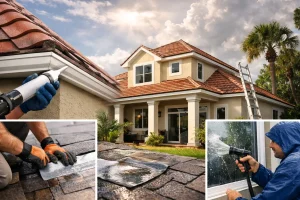
But South Florida is hard on paint. Constant sun exposure breaks down color and finish. Moisture creates conditions for mildew and surface deterioration. Salt in the air can accelerate wear near the coast. A basic repaint gives you a new layer of color, but it usually does not change the performance profile of the wall itself.
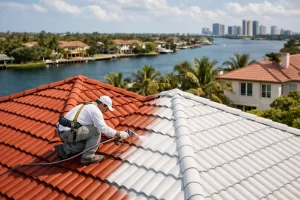
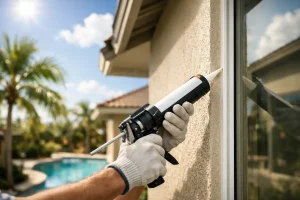
An exterior coating system is designed to do more. It is not simply decorative. Premium coatings are built to create a thicker, more protective barrier that helps resist fading, peeling, cracking, and weather damage. Some advanced systems also reflect heat, which can reduce surface temperature and help the home stay cooler.
That is why exterior coating vs repainting is not really a style choice. It is a protection decision.
What repainting does well – and where it falls short
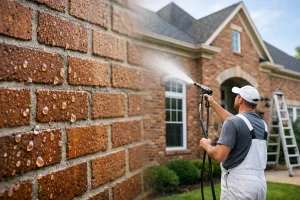
Repainting still has a place. If your exterior is structurally sound, your budget is tight, and you need a visual refresh, repainting can improve appearance quickly. It can cover stains, update color, and make an older home look cleaner and better maintained.
The trade-off is longevity. Traditional exterior paint is generally thinner and more vulnerable to Florida’s climate extremes. Even a quality paint product may begin to fade, chalk, or lose adhesion sooner than homeowners expect when it is exposed to year-round sun and moisture.
That often leads to a frustrating pattern. You repaint to improve curb appeal, then a few years later the home starts looking tired again. The cost may feel manageable each time, but repeated repainting adds up. Labor, prep work, materials, and disruption return over and over.
Repainting also does little to improve energy performance. It changes the look of the house, not the way the exterior shell handles heat.
Why coatings are built for a different result
A high-performance exterior coating system is meant to be a long-term solution, not a cosmetic reset. The biggest difference is film build and engineering. Coatings are typically applied at a greater thickness than standard paint, which helps create a more durable shield against the elements.
For Florida homeowners, that added protection is not a luxury feature. It is practical. A stronger exterior barrier can help defend against harsh UV rays, moisture intrusion, wind-driven rain, and surface wear that shortens the life of ordinary paint.
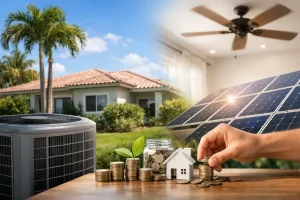
Some premium systems go further by using heat-reflective technology. That matters on sun-exposed walls that absorb and hold heat all day. Lower surface temperatures can reduce stress on exterior materials and may help reduce cooling demand inside the home.
This is where many homeowners start to see the value differently. A coating system is usually a larger upfront investment than repainting, but it is designed to reduce future repaint cycles, extend exterior life, and deliver performance benefits that standard paint simply is not made to provide.
Cost now vs cost over time
If you compare bids only by the number at the bottom, repainting usually looks like the cheaper option. That is the most common reason homeowners choose it. But that comparison is incomplete.
A better way to evaluate exterior coating vs repainting is to look at total ownership cost over time. If a home needs repainting every several years, the lower initial price can turn into a recurring expense. By the time you pay for multiple paint jobs, you may have spent as much as or more than you would have on a premium coating system that lasts significantly longer.
There is also the hidden cost of repeated disruption. Every repaint involves scheduling, surface prep, cleanup, and living through another exterior project. Many homeowners are not just paying for paint. They are paying to revisit the same problem.
A coating system can make more financial sense when the priority is long-term value, especially for homeowners who plan to stay in the property and want to protect resale appeal without constant maintenance.
Performance matters more in South Florida
Climate should drive the decision. In a mild region, repainting every few years may be inconvenient but manageable. In South Florida, weather is an active force working against your exterior every day.
Intense sun can bleach color and degrade binders. Humidity and rain create a constant moisture challenge. Coastal exposure adds salt air to the equation. These are not occasional threats. They are year-round conditions that can shorten the life of conventional paint and leave homeowners stuck in a maintenance cycle.
That is why performance claims, application quality, and warranty support matter. The product is only part of the equation. Surface preparation, correct installation, and contractor credentials all affect whether the system performs as promised.
A premium coating installed by a licensed, factory-certified team gives homeowners something a basic paint job often does not: confidence that the exterior was treated as a protective system, not just a color update.
When repainting makes sense
There are situations where repainting is the right choice. If you are preparing a property for sale and want the fastest cosmetic improvement, repainting may be practical. The same goes for homes with limited budgets or owners who are not ready to invest in a long-term system.
Repainting can also be reasonable if the exterior has shade protection, lower weather exposure, or if you are comfortable with periodic maintenance as part of ownership.
The key is being honest about the goal. If you want appearance only, repainting can deliver that. If you want appearance plus stronger defense against Florida’s climate, repainting may fall short.
When an exterior coating is the better investment
An exterior coating is usually the stronger choice when homeowners want to stay ahead of future problems instead of reacting to them. It fits homes that face intense sun exposure, repeated fading, high heat, coastal wear, or chronic repaint cycles.
It also makes sense for homeowners who care about energy efficiency, lower maintenance, and preserving curb appeal for the long run. That is especially true when the coating system includes heat-reflective performance and warranty-backed durability.
For many South Florida families, the decision comes down to this: do you want to pay less now for a finish you will likely revisit, or invest more once for a system designed to last longer and do more?
That is why companies like Tri-County Painters focus on advanced residential coatings rather than commodity paint jobs. For the right homeowner, the real value is not just the fresh appearance. It is the reduction in future hassle, the added climate protection, and the confidence that the home is defended by a system built for this environment.
How to choose between exterior coating vs repainting
Start with the condition of your current exterior. If the problem is mostly cosmetic and your expectations are short term, repainting may be enough. If you are seeing repeated fading, constant maintenance, or concerns about heat and weather exposure, it is worth looking beyond traditional paint.
Next, consider how long you plan to stay in the home. The longer your timeline, the more a premium coating can justify its cost. Long-term owners usually benefit most from durability, energy-related performance, and fewer future projects.
Finally, look at contractor qualifications. In a market full of general painters, it matters whether the company is licensed, certified, and experienced with specialized coating systems. Premium materials only perform at a high level when they are installed correctly.
Your exterior is your home’s first line of defense. If you are weighing exterior coating vs repainting, the smartest choice is the one that matches your timeline, your climate exposure, and how much future maintenance you are willing to accept. A fresh coat of paint can change how your home looks. The right coating system can change how well it holds up.