By midsummer in South Florida, you can feel the heat radiating off a home’s exterior before you even reach the front door. Walls hold heat, paint fades fast, and the cycle starts again – prep, repaint, repair, repeat. A homeowner guide to coolwall coatings should start there, because most people are not looking for another paint job. They are looking for a longer-term way to protect the home, control maintenance, and keep exterior surfaces from taking a beating year after year.
Coolwall coatings are not conventional exterior paint with better marketing. They are built as a high-performance coating system designed to reflect more of the sun’s infrared heat, reduce surface temperature, and provide a thicker, more durable exterior finish than standard paint. For homeowners dealing with intense UV exposure, humidity, rain, salt air, and constant expansion and contraction from heat, that difference matters.
What a homeowner guide to coolwall coatings should clarify first
The first thing to understand is that COOLWALL is a coating system, not just a color upgrade. Standard exterior paint is usually chosen around appearance and initial price. A premium coating system is chosen around lifecycle value. That includes how long it lasts, how well it resists fading and chalking, how it handles weather exposure, and whether it can help reduce heat absorption on the walls of the home.
That does not mean every home needs it. If you are planning to sell quickly or you only want the lowest upfront cost, conventional paint may look more attractive on paper. But if you are staying in the home and you are tired of frequent repainting, recurring surface wear, and the impact of Florida sun on curb appeal, a heat-reflective coating starts to make much more sense.
Why South Florida homeowners look beyond standard paint
South Florida is hard on exteriors. Sun exposure is constant. Moisture is relentless. Salt air can accelerate wear near the coast, and heavy rain pushes water against every weak point in the envelope. A standard paint job can look fine at first, then lose color, crack, peel, or chalk sooner than expected.
This is where premium coatings stand apart. A properly installed system is designed to create a tougher outer shell and deliver more than cosmetic improvement. It can help stabilize the look of the home, protect the substrate beneath it, and reduce the frequency of repainting. For many homeowners, that is the real decision – not paint versus coating, but short-term cost versus long-term protection.
How coolwall coatings work
Coolwall coatings use heat-reflective technology that helps deflect a greater portion of the sun’s infrared energy. In practical terms, that can mean cooler exterior wall surfaces compared to traditional paints in similar colors. Lower surface temperature matters because extreme heat contributes to stress on the coating and the material underneath it.
There is also an energy conversation here, but it should be handled honestly. A coating alone does not turn an inefficient home into a high-performance one. Cooling cost reduction depends on the home’s insulation, wall construction, window performance, roof condition, orientation to the sun, and even landscaping. Still, if your exterior walls absorb less heat, your home may gain a measurable comfort and efficiency advantage, especially in hot climates where air conditioning works overtime.
The benefits homeowners usually care about most
Most homeowners do not ask about resin chemistry first. They ask whether the product lasts, whether it looks good, and whether it helps justify the investment. Fair questions.
Durability is often the biggest driver. A premium coating system is typically applied much thicker than standard paint, which helps it stand up better to weathering and surface stress. Fade resistance is another major benefit in Florida, where intense sun can wash out color faster than many homeowners expect. And because these systems are built for longer performance, they can reduce the need for frequent repainting.
Appearance still matters. A quality coating system should deliver a clean, uniform finish that sharpens curb appeal rather than looking heavy or artificial. The best result is a home that looks freshly finished without looking overdone.
Then there is the maintenance factor. Every homeowner knows exterior work is never really one-and-done, but there is a major difference between routine upkeep and feeling like your house always needs repainting. That reduction in hassle is part of the value.
Cost: higher upfront, different long-term math
Any honest homeowner guide to coolwall coatings has to address price directly. These systems cost more upfront than traditional exterior paint. That is usually the first hurdle, and it should be. Premium materials, specialized preparation, and certified installation are not budget-line services.
The better question is what you are comparing it to. If you compare a high-performance coating only to the cheapest repaint option, it will seem expensive. If you compare it to multiple repaint cycles over the years, plus the cost of fading, wear, and recurring prep work, the math changes.
For homeowners who plan to stay in place, value is not just the invoice total. It is the avoided cost of doing the same job again too soon. It is also the value of stronger curb appeal, better exterior protection, and greater confidence in the finish holding up in a punishing climate.
Installation matters as much as the product
A premium coating is only as good as the crew applying it. That is not sales language. It is reality.
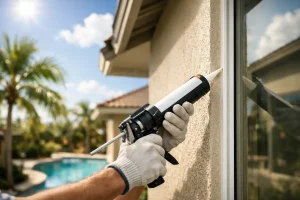
Surface preparation drives performance. If underlying cracks, failed caulking, moisture issues, or adhesion problems are not addressed first, even a premium system can underperform. The coating must be installed to manufacturer standards, with the right prep, the right application methods, and the right conditions.
This is why licensing, factory certification, and product-specific experience matter. Homeowners should not treat a high-performance coating like a commodity paint bid. If the contractor cannot clearly explain the system, the preparation process, the warranty structure, and the expected performance in Florida conditions, that is a warning sign.
Questions to ask before you move forward
When evaluating your options, focus on clarity. Ask what makes the coating different from standard paint. Ask how thick the system is compared to paint, what surface repairs are included, how colors perform in full sun, and what kind of warranty backs the work.
You should also ask who is applying it. Is the installer trained specifically for that product system? Is the contractor licensed and equipped to evaluate the exterior as a whole, not just the visible finish? A home exterior is a protective shell, and the contractor should approach it that way.
For South Florida homeowners, ask about performance in humidity, wind-driven rain, UV exposure, and salt-air environments. Local climate experience is not optional here.
Is a coolwall coating right for your home?
It depends on your goals. If you want the lowest immediate cost and you are comfortable repainting again in a few years, standard paint may still fit. If your home has significant underlying substrate damage, that may need broader repair work before any coating system makes sense.
But if your priorities are long-term protection, lower maintenance, stronger fade resistance, and improved performance under intense sun, a coolwall coating is worth serious attention. It is especially attractive for homeowners who are done paying for cosmetic resets and want a more defensive exterior strategy.
That is the real shift in thinking. A premium coating is not just about making the house look fresh this season. It is about putting a tougher, smarter exterior system on the home so it can handle what South Florida keeps throwing at it.
An authorized system installed by a qualified contractor can give homeowners something standard paint rarely does – confidence that the exterior is working harder than it looks. For many families, that peace of mind is the point.
If you are weighing the decision now, take your time and evaluate it like a home protection investment, not a basic paint purchase. The right coating should do more than change the color of your walls. It should give your home a stronger line of defense for the years ahead.