A South Florida exterior can look freshly painted one season and show fading, chalking, mildew, or hairline cracking far sooner than expected. That is what happens when a home is treated like it lives in a mild climate. Residential weatherproofing services are designed to defend the full exterior against the heat, ultraviolet exposure, wind-driven rain, humidity, and salt air that work on Florida homes every day.
For homeowners, the goal is not simply a brighter color or a quick cosmetic repair. It is a protected exterior that holds up longer, helps manage heat at the wall surface, and reduces the cycle of repeated maintenance. The right system turns exterior work into a long-term property decision rather than another short-term painting expense.
Why Florida Homes Need More Than Standard Paint
Conventional exterior paint can provide a clean finish, but it is not always built to perform as a complete protective system in South Florida. Intense UV exposure can break down binders and pigments, causing colors to fade and painted surfaces to chalk. Daily heat can expand exterior materials, while afternoon rain and high humidity introduce moisture into vulnerable cracks, joints, and failed sealant lines.
Near the coast, salt air adds another layer of stress. Salt deposits can contribute to surface deterioration and place added demands on painted metal, concrete, stucco, trim, and other exposed materials. Mildew is also a recurring concern where shade, moisture, and humid air meet.
A quality weatherproofing approach recognizes that these conditions rarely occur one at a time. Your home may absorb heat for hours, receive heavy rain in the afternoon, and remain damp overnight. Protection has to be selected and applied for that cycle.
What Residential Weatherproofing Services Should Address
Professional weatherproofing begins with an evaluation of the exterior, not a one-size-fits-all coating recommendation. The condition of the stucco, existing paint, fascia, trim, windows, doors, soffits, and roofline all matter. A system is only as dependable as the surface preparation beneath it.
Surface preparation and repair
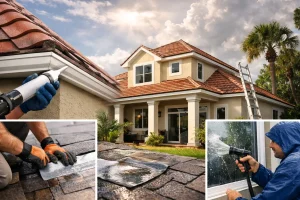
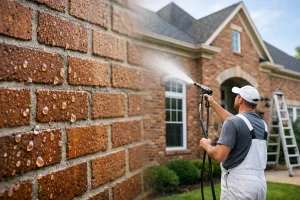
Cracks, loose paint, failed caulking, and deteriorated areas should be addressed before a protective coating is applied. Coating over an active problem may improve appearance temporarily, but it does not create lasting protection. Proper preparation may include pressure cleaning, mildew treatment, scraping, patching, sealing cracks, and repairing compromised substrate areas.
This work is especially important on stucco homes. Fine cracks can allow water intrusion over time, while larger cracks may signal movement or damage that deserves closer evaluation. A professional contractor should distinguish between routine exterior maintenance and conditions that need repair before coating work can proceed.
Waterproofing vulnerable transitions
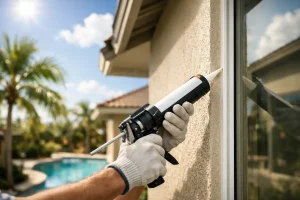
Water often enters at transitions rather than through the center of a wall. Around window frames, doors, roof-to-wall connections, trim boards, vents, pipes, and penetrations, sealants can shrink, crack, or separate with age. These details require careful attention because a small gap can become a pathway for moisture.
Weatherproofing includes renewing and properly applying compatible sealants where needed. The purpose is not to trap moisture inside a wall, but to reduce the chance that bulk water enters through exterior openings. Material selection matters because sealant must remain flexible as building components expand and contract.
Heat-reflective wall protection
Walls exposed to direct sun can become extremely hot, placing stress on coatings and contributing to indoor heat gain. A high-performance reflective coating system can help reduce surface temperature compared with conventional dark or heat-absorbing finishes. That can support a more comfortable home and may help reduce air-conditioning demand, depending on the home’s insulation, window performance, shading, thermostat use, and overall construction.
TEX•COTE® COOLWALL® is designed for this purpose. Its heat-reflective technology is engineered to resist fading while providing a durable exterior finish that goes beyond ordinary paint. For homeowners who are tired of watching rich exterior colors lose their appearance under Florida sun, a reflective coating system can offer a stronger long-term alternative.
Roof coating where appropriate
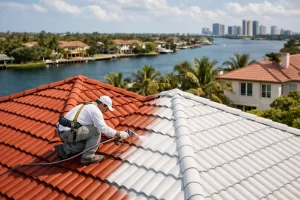
The roof is one of the largest heat-exposed surfaces on a property. On eligible roof types, reflective roof coatings such as Reflect-Tec® can help protect the surface from sun exposure while improving reflectivity. Roof coating is not a substitute for needed roof repair or replacement, and it is not appropriate for every roof condition. A qualified assessment should come first.
When a roof is a suitable candidate, coating it as part of an overall exterior protection plan can create a more consistent defense against heat, UV exposure, and weathering.
The Difference Between Painting and Protection
A standard paint job is often priced around immediate visual results: cleaning, basic preparation, primer where needed, and finish coats. That may be the right choice for a home in good condition when budget and short-term appearance are the primary concerns.
Weatherproofing is different because it focuses on what happens after the crew leaves. It considers adhesion, moisture exposure, flexibility, UV resistance, reflectivity, crack treatment, and the expected service life of the system. The initial investment can be higher than commodity painting, but the value is in reducing frequent repainting, preserving curb appeal, and protecting the home’s exterior components over time.
There is no single coating that solves every issue. A home with severe stucco cracking, damaged wood, active leaks, or a failing roof needs those underlying conditions addressed. A responsible contractor will explain those limitations clearly instead of promising that a coating can cover every problem.
Choosing a Contractor for Residential Weatherproofing Services
The product matters, but application quality is equally important. Even premium coatings can underperform if surfaces are poorly prepared, moisture is present during application, or the system is applied outside manufacturer requirements.
Look for a contractor that can demonstrate a clear process: inspect the exterior, identify repairs, explain preparation, specify the coating system, and set realistic expectations for performance. Licensing and building contractor credentials add meaningful accountability, particularly when work involves more than simple repainting.
Factory certification is another important distinction. Certified application teams are trained to apply proprietary coating systems according to manufacturer standards, including surface preparation and coverage requirements. That helps protect both the performance of the coating and the validity of any available warranty.
Ask direct questions before approving the work. What repairs are included? How will cracks and failed sealant be handled? What coating is being used on each surface? Is the system appropriate for the home’s current condition? What warranty coverage applies, and what homeowner maintenance is expected?
A detailed proposal should give clear answers. Vague language such as “paint exterior” leaves too much open to interpretation when you are investing in long-term protection.
When to Schedule Exterior Weatherproofing
Do not wait until paint is peeling across the home or water stains appear indoors. Early warning signs include fading color, chalky residue on your hand, mildew that returns quickly after cleaning, cracking stucco, separated caulk, rusting metal details, and rising concern about heat on sun-facing walls.
Scheduling an inspection before visible damage becomes widespread gives you more control over the project. Preventive maintenance is typically less disruptive than repairing advanced deterioration, and it allows a contractor to build the right protection plan rather than simply react to failure.
South Florida weather can affect scheduling, so contractors should monitor rain, humidity, and surface conditions carefully. The best installation window depends on the product specifications and the condition of the home, not just the date on the calendar.
Protect the Home You Have Worked Hard to Build
Your exterior is the first barrier between your home and a climate that rarely takes a day off. A professionally installed weatherproofing system can preserve appearance, help manage heat, and reduce the maintenance burden that comes with conventional exterior paint.
Tri-County Painters approaches exterior coatings as a home defense investment, with licensed contractor expertise, factory-certified application, and high-performance systems built for South Florida conditions. The practical next step is a thorough exterior evaluation that identifies what your home needs now and what will protect it for years ahead.