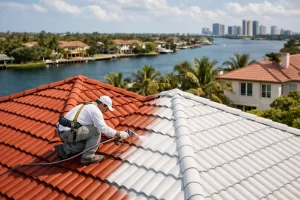
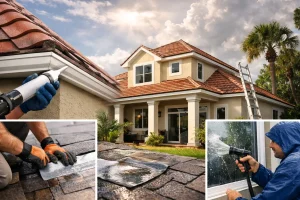
A ceiling stain after a South Florida downpour is not a cosmetic issue. It is a signal that water has already found a path through your roof system. Homeowners often ask, can roof coatings stop leaks before they become major repairs? The honest answer is yes, in the right conditions – but a quality coating is not a shortcut around damaged roofing.
A professionally specified roof coating can seal minor surface vulnerabilities, reinforce weather protection, and reduce the heat stress that accelerates roof wear. It cannot restore broken tiles, replace failed flashing, repair rotten decking, or correct an active leak caused by a structural defect. The lasting result depends on identifying the source of water first, completing the needed repairs, and applying the coating as part of a complete protection plan.
When Can Roof Coatings Stop Leaks?
Roof coatings are most effective when a roof is fundamentally sound but beginning to show normal weathering. Florida roofs absorb constant UV exposure, sudden heavy rain, humidity, wind-driven moisture, and, in coastal areas, salt air. Over time, those forces can dry and crack exposed surfaces, weaken small seams, and create openings around penetrations.
A properly applied coating creates a continuous protective membrane across eligible roof surfaces. It can help bridge hairline cracks, seal porous areas, and provide an additional barrier against moisture intrusion. Reflective systems also reduce roof surface temperatures, helping limit the expansion and contraction that can worsen minor defects over time.
This makes coating a strong preventive investment for homeowners whose roofs are still serviceable. Rather than waiting for repeated patchwork repairs or visible interior damage, you can strengthen the roof’s defensive layer while improving its ability to reflect the Florida sun.
The key word is eligible. A coating performs best when it is applied to a clean, dry, properly prepared surface with repairs already completed. Material selection, surface preparation, primer requirements, application thickness, and curing conditions all affect performance. This is why professional inspection matters more than a quick promise that any coating will make a leak disappear.
What a Roof Coating Cannot Fix
Coatings are designed to protect roofing surfaces, not conceal serious failures. If water is entering through damaged components beneath the surface, coating over the area may delay a visible symptom without resolving the real problem.
A licensed contractor should assess the roof before recommending any coating application, especially when there are missing or broken tiles, lifted shingles, failing flashing, open penetrations around vents or pipes, soft roof decking, or widespread deterioration. These conditions require repair or replacement work before a protective coating can be considered.
Tile roofs require particular care. A crack in a tile, a failed underlayment, or an issue at a valley can allow water to travel before it appears inside the home. The stain on the ceiling may be several feet from the actual entry point. Applying a coating only where the stain appears is not a reliable diagnosis or repair strategy.
The same principle applies to flat and low-slope roofs. Ponding water, deteriorated seams, and drainage issues should be corrected first. Once the roof is sound, an appropriate coating system can add a valuable layer of protection and help manage solar heat.
Why Preparation Determines Leak Protection
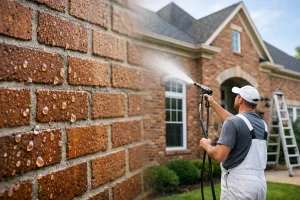
The quality of the coating product matters, but the application process determines whether it can perform as intended. Florida’s climate leaves roofs with mildew, chalking, dirt, salt residue, and loose material that can interfere with adhesion. Coating over those contaminants can lead to premature peeling or weak spots where water can work underneath the system.
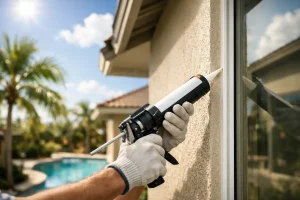
A professional approach begins with a detailed roof evaluation and moisture-focused inspection. The surface is then cleaned and prepared according to the roof material and coating specifications. Cracks, penetrations, transitions, and other vulnerable areas receive the repairs or reinforcement they need. Only then should the coating be applied at the proper coverage rate.
This process is not glamorous, but it is where long-term performance is earned. A roof coating is only as reliable as the surface beneath it and the team applying it. Homeowners should be cautious of low-price offers that skip inspection, repairs, or preparation in favor of a fast spray application.
The Added Value of Reflective Roof Coatings
Stopping minor leaks is only one reason South Florida homeowners consider roof coatings. Reflective roof systems are built to reduce solar heat absorption. A cooler roof surface can reduce the thermal load transferred into the home, helping the air-conditioning system work less aggressively during long stretches of heat.
That benefit also supports roof durability. Extreme surface temperatures and daily temperature swings place stress on many roofing materials. By reflecting more of the sun’s energy, a quality coating can help reduce that ongoing exposure while improving the roof’s appearance and weather resistance.
Tri-County Painters provides Reflect-Tec® roof coating solutions for homeowners who want more than a basic roof paint job. The right system is selected around the roof condition, substrate, exposure, and protection goals. The objective is not simply to change the roof’s color. It is to create a dependable, energy-conscious protective finish after the underlying roof has been properly addressed.
Signs You Should Schedule an Inspection First
A coating may be part of the answer, but certain warning signs call for a professional assessment before any product is applied. Pay close attention if you notice any of the following:
- Water stains, bubbling paint, or damp drywall inside the home
- Cracked, missing, slipped, or broken roof tiles or shingles
- Damaged flashing around chimneys, vents, skylights, or roof transitions
- Standing water on a flat or low-slope roof after rain
- Peeling prior coatings, heavy mildew growth, or visible surface deterioration
These signs do not always mean a roof replacement is necessary. They do mean the roof deserves a careful diagnosis. In many cases, targeted repairs combined with a high-performance coating can extend the useful life of a sound roof. In other cases, a coating would be the wrong investment until larger issues are corrected.
How to Make the Right Decision for Your Roof
Start with the condition of the roof, not the product you hope to apply. Ask whether the roof is structurally sound, whether the leak source has been located, and whether the roofing material is appropriate for a coating system. Then consider your longer-term priorities: cooling efficiency, appearance, UV resistance, maintenance reduction, and weather protection.
A qualified, state-licensed building contractor can help separate a coating opportunity from a repair need. That guidance protects you from spending money twice – once on an application that cannot solve the problem and again on the repair that should have happened first.
For a South Florida home, the best time to protect a roof is before a small vulnerability becomes a larger interior repair. If your roof is sound but weathered, a professionally installed reflective coating may provide meaningful leak resistance, heat reduction, and confidence through the next storm season. If the roof is already failing, address the failure first, then build protection on a foundation that can hold it.