By midafternoon in South Florida, an unprotected roof can turn your attic into a heat trap. If you have ever walked into your garage, pulled down the attic stairs, and felt a blast of hot air hit your face, you have already experienced how roof coating reduces attic heat in real life. The roof takes the full force of the sun all day, and without the right protective system, that heat transfers downward into the attic, then into the rooms below.
For homeowners, this is not just a comfort issue. A hotter attic puts more strain on your insulation, forces your air conditioning system to work harder, and can contribute to higher monthly cooling costs. In Florida, where heat, UV exposure, humidity, and storms are constant factors, the roof is not just another surface. It is one of your home’s first lines of defense.
How roof coating reduces attic heat at the source
The simplest way to understand the process is this: a quality roof coating helps stop heat before it builds up in the roofing material. Traditional dark or worn roofing surfaces tend to absorb a large amount of solar radiation. Once that surface heats up, the roof deck and attic space below begin to warm as well.
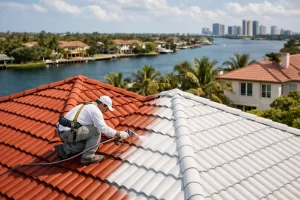
A heat-reflective roof coating changes that equation. Instead of allowing the roof to absorb and hold as much solar energy, the coating reflects more sunlight away from the surface. That means the roof does not get as hot, and when the roof surface temperature drops, the attic underneath generally stays cooler too.
This matters because attic heat is often not caused by one single problem. It is the result of several things working together – intense sun exposure, roof material type, color, ventilation quality, insulation levels, and even the age of the existing roof surface. A reflective coating addresses one of the biggest variables: heat gain through the roof itself.
Why the roof gets so hot in Florida
South Florida homes face a harsher environment than many homeowners realize. The sun is stronger, the roof angle often gets prolonged direct exposure, and humid air can make indoor comfort problems feel even worse. On a hot day, roofing materials can reach temperatures far above the outside air temperature.
When that happens, the attic becomes a storage space for excess heat. Even if your insulation is doing its job, there is only so much it can do when the temperature above it continues rising for hours. The HVAC system then has to compensate, often cycling longer and more often.
This is one reason energy-efficient exterior improvements matter. Homeowners sometimes focus only on windows or AC replacement, but the roof is a major part of the thermal load on the house. If the roof is constantly absorbing heat, the rest of the home feels the impact.
Reflectivity matters more than most homeowners think
Not all coatings are designed to perform the same way. A true heat-reflective roof coating is engineered to reflect a meaningful portion of the sun’s energy, especially the infrared radiation that drives heat buildup. That is very different from simply applying a standard paint product to a roof.
This distinction is important. Ordinary paint may change the color of the roof, but color alone does not guarantee thermal performance, weather resistance, or long-term durability. A roof coating system intended for energy efficiency is designed to handle UV exposure, surface expansion and contraction, and the wear that comes with the Florida climate.
When the right coating is professionally applied, the surface can stay significantly cooler than a roof that is bare, dark, or deteriorated. A cooler roof surface means less heat radiating into the attic structure over the course of the day.
The attic does not need to be air conditioned to benefit
Some homeowners assume attic heat is only a problem if they use the space for storage or have ductwork running through it. In reality, a hot attic affects the whole home, even when no one spends time up there.
Heat trapped in the attic can radiate downward into ceilings and upper rooms. If your ductwork passes through the attic, that hot environment can also reduce HVAC efficiency. The system has to push cooled air through a superheated space, which is not ideal in any climate, especially not here.
This is where roof coating delivers value beyond the roof itself. Lower attic temperatures can support the overall performance of the home envelope. The result may be better indoor comfort, less AC strain, and a more stable temperature inside the home.
Roof coating is not a magic fix for every hot attic
A professional contractor should be honest about this. Roof coating can make a meaningful difference, but it is not the only factor. If attic ventilation is poor, insulation is inadequate, or air leaks are allowing conditioned air to escape, those issues still need attention.
That is why the best approach is to look at the roof as part of a complete protective system. A reflective coating can reduce solar heat gain at the top layer. Proper ventilation can help move excess heat out. Adequate insulation can slow heat transfer into the living space. Together, those elements produce better results than any single upgrade alone.
The condition of the existing roof also matters. Some roofs are excellent candidates for coating, while others may need repair work first. Surface prep, product compatibility, and application quality all affect performance. A coating is only as reliable as the system behind it.
How roof coating reduces attic heat over time
One of the biggest advantages of a premium coating system is that it is built for long-term performance, not a short cosmetic improvement. In Florida, the roof is under constant attack from UV rays, wind-driven rain, salt air in coastal areas, and moisture. Over time, a roof surface can deteriorate, fade, crack, and lose some of its ability to resist heat.
A properly selected roof coating helps protect against that ongoing wear. By shielding the roof surface and improving reflectivity, it can help preserve performance instead of letting the roof gradually become a stronger heat collector year after year.
This matters financially as well. Homeowners often think only in terms of upfront price, but repeated maintenance cycles and rising cooling demands add up. A premium coating system is typically chosen by homeowners who want value over time – not just a quick, low-cost patch.
Application quality makes the difference
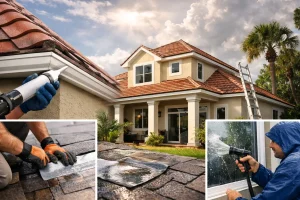
Even the best coating technology can underperform if it is applied incorrectly. Roof preparation, cleaning, repair of damaged areas, and product-specific application standards all matter. Thickness, coverage consistency, and curing conditions are not details to gloss over. They directly affect how well the coating reflects heat and stands up to the weather.
That is why homeowners should look for a contractor with real coating expertise, not just general painting experience. Roofs are exposed systems. They require the right materials, the right process, and the right judgment. In South Florida, that also means understanding how local climate stress affects long-term performance.
For homeowners who are serious about comfort, efficiency, and durability, this is where working with a specialist matters. Companies like Tri-County Painters focus on protective coating systems designed to perform in Florida’s harsh environment, not just improve appearance for a season.
What homeowners should expect after coating
A roof coating does not turn your attic cold, and no reputable contractor should promise that. What it can do is help reduce the amount of heat the roof absorbs, which often helps lower attic temperatures compared to an untreated or heat-absorbing surface.
The improvement may feel especially noticeable in upstairs rooms, garages, bonus spaces, and homes where the AC seems to struggle late in the day. Some homeowners also notice their cooling system runs more consistently instead of constantly trying to catch up.
Results will vary based on roof type, roof color, insulation, ventilation, home layout, and sun exposure. But the core principle stays the same: when the roof surface absorbs less heat, the attic below has less heat to deal with.
If your attic feels like an oven every afternoon, the roof deserves a closer look. A high-performance roof coating can be one of the smartest ways to reduce heat where it starts and give your home better protection against the climate it faces every day.