A freshly painted South Florida home can look exceptional one season and noticeably tired far sooner than expected. The difference is rarely just the paint color or the painter’s technique. Relentless UV exposure, driven rain, humidity, salt air, and heat all work against exterior finishes every day. Knowing how to extend paint lifespan means treating your exterior as a protective system, not simply a decorative surface.
For homeowners, the goal is not to stretch failing paint beyond its useful life. The goal is to prevent premature failure, preserve curb appeal, and avoid entering the costly repainting cycle every few years. That starts with the right preparation, continues with regular maintenance, and often depends on choosing a coating designed for Florida’s climate.
How to Extend Paint Lifespan Starts Before Painting
Exterior paint cannot compensate for a surface that is dirty, damp, cracked, or unstable. When a coating fails early, the root cause is often poor preparation rather than a defective topcoat. Paint needs a clean, dry, sound surface to create a lasting bond.
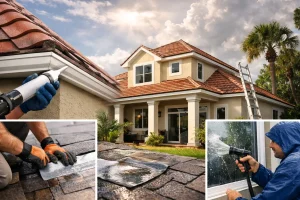
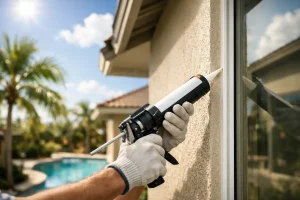
A professional exterior evaluation should identify peeling areas, hairline cracks, failed caulking, chalky residue, mildew, rust, and water intrusion before any coating is applied. Each issue needs its own correction. Loose paint must be removed, cracks need appropriate patching, gaps around windows and trim need durable sealant, and mildew must be treated rather than painted over.
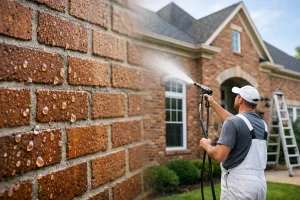
Pressure cleaning is also more than a cosmetic step. Florida homes accumulate airborne salt, pollen, algae, dirt, and chalked paint residue that can interfere with adhesion. Cleaning should be thorough enough to remove contaminants without damaging stucco, wood, soffits, or older exterior surfaces. After cleaning, the substrate must have adequate time to dry. Coating a damp wall can trap moisture and create blistering, peeling, or staining later.
Control Moisture Before It Gets Behind the Coating
South Florida’s rain and humidity create one of the greatest threats to exterior paint longevity: moisture entering behind the finished surface. A small failed caulk joint or an unsealed penetration can allow water into wall assemblies, where it may cause paint bubbling, staining, mold growth, and deterioration of surrounding materials.
Walk around your home after a heavy rain. Look closely at window perimeters, door frames, light fixtures, hose bibs, utility penetrations, fascia boards, and transitions between different materials. Water stains, soft wood, cracking caulk, or paint that appears raised are warnings worth addressing promptly.
Roof drainage matters, too. Overflowing gutters, clogged downspouts, and roof runoff that repeatedly hits one wall can shorten the life of even a quality coating. Redirecting water and correcting drainage problems protects the paint while also reducing the chance of more expensive building-envelope repairs.
Keep the Exterior Clean Without Being Aggressive
Routine cleaning removes the contaminants that discolor paint and encourage mildew growth. In humid coastal areas, shaded walls and areas around landscaping are especially prone to algae and mildew. Left in place, this buildup holds moisture against the surface and makes a home look neglected long before the coating itself has reached the end of its service life.
For most homes, an annual low-pressure exterior wash is a practical baseline. Some properties need more frequent cleaning, particularly those near the coast, under dense tree cover, or exposed to irrigation overspray. Use a cleaning method appropriate for the surface and coating type. High pressure, a narrow spray tip, or harsh scrubbing can scar stucco, force water behind siding, and weaken vulnerable areas.
Keep shrubs, palms, and vines trimmed back from exterior walls. Vegetation traps humidity, blocks airflow, scratches painted surfaces in the wind, and gives mildew a favorable place to grow. A clear space between landscaping and the wall helps the exterior dry after rain and makes developing problems easier to spot.
Reduce the Damage Caused by Sun and Heat
Florida sun is not merely a fading issue. Dark exterior surfaces can become extremely hot, causing conventional paint to expand and contract repeatedly. Over time, that movement can contribute to loss of flexibility, color fading, chalking, and cracking. A wall that absorbs more heat also transfers more of that heat toward the home.
Color selection can help, but it is not the whole solution. Lighter shades generally absorb less heat than darker ones, yet homeowners should not have to sacrifice their preferred color simply to protect their exterior. Advanced heat-reflective coating systems are designed to reflect a greater portion of solar energy, including infrared energy that traditional color choices often absorb.
This is where a premium exterior coating can offer a meaningful long-term advantage over standard paint. TEX•COTE® COOLWALL® coatings are engineered for high-sun environments and can provide a protective, heat-reflective finish intended to resist fading and reduce surface temperatures. For a South Florida homeowner, that means the exterior coating can support both longer-lasting appearance and a more comfortable, energy-conscious home.
Use the Right Coating for the Surface and Exposure
Not every exterior surface should receive the same product. Stucco, concrete block, wood trim, fiber-cement siding, metal, and masonry details can have different preparation and coating requirements. Applying a one-size-fits-all paint may appear acceptable at first, but it can lead to adhesion issues or uneven weathering when the coating is not matched to the substrate.
Exposure also matters. A west-facing wall that receives intense afternoon sun may need a different level of protection than a covered entryway. Coastal homes face added salt-air exposure, while homes near lakes or heavy landscaping may experience more mildew pressure. An experienced, licensed contractor evaluates these conditions before recommending a system.
The warranty deserves attention as well. A warranty is only as valuable as the product, surface preparation, and application standards behind it. Ask what conditions are covered, whether the installer is factory-certified, and whether the recommended system is designed for the local climate. Premium coatings typically cost more upfront than commodity paint, but the trade-off can be fewer repainting cycles, stronger color retention, and less maintenance over the life of the home.
Catch Small Failures Before They Spread
A quick seasonal inspection is one of the simplest ways to protect an exterior investment. You do not need to search for perfection. Focus on early signs that water, UV exposure, or movement may be affecting the coating.
Watch for cracking at joints, peeling near trim, faded areas on sun-facing walls, rust stains around fasteners, mildew in shaded sections, and paint blisters after periods of heavy rain. Also look for cracks in stucco. Some are minor cosmetic hairline cracks, while others may signal movement or water pathways that need professional attention.
Addressing these issues early is usually straightforward. Waiting can turn a small touch-up, sealant repair, or localized restoration into widespread surface preparation and full recoating. The most cost-effective maintenance is the work completed before visible damage becomes extensive.
Protect the Finish During Everyday Home Maintenance
Exterior paint is often damaged by routine activity rather than weather alone. Pressure washing performed too aggressively, ladders leaned directly against walls, irrigation aimed at the house, and repeated contact from patio furniture or equipment can all shorten coating life.
When hiring other trades, ask them to protect finished walls, trim, and doors. Roofers, gutter installers, landscapers, pest-control providers, and HVAC technicians may work close to painted surfaces. Promptly clean accidental stains or overspray with a coating-safe method instead of allowing them to bake into the finish.
If touch-ups are needed, use the correct product and confirm that the original surface is clean and stable first. Touch-up paint can look different when applied over faded areas, especially on conventional coatings. A professional assessment can determine whether a localized repair will blend properly or whether a larger section should be recoated for a consistent result.
Choose Long-Term Protection, Not Another Repainting Cycle
The best answer to how to extend paint lifespan is not a single maintenance trick. It is a disciplined approach: correct surface defects, keep walls clean, manage water, limit heat stress, and invest in a coating system built for the environment surrounding your home.
For South Florida homeowners who are tired of fading color and frequent repainting, Tri-County Painters can help evaluate the condition of the exterior and recommend a weather-resistant coating strategy based on the home’s surfaces, exposure, and long-term goals. A well-protected exterior does more than look good from the street. It gives your home a stronger first line of defense through every season ahead.