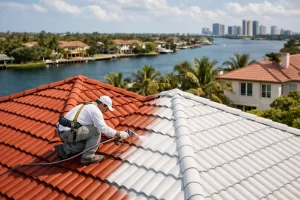
A reflective roof coating review should begin with the problem South Florida homeowners know too well: a roof that absorbs relentless sun all day can keep transferring heat into the house long after sunset. If your air conditioner is working overtime, your roof looks weathered, or you are facing another expensive maintenance decision, a properly specified reflective coating may be a practical part of your long-term home protection plan.
Reflective roof coatings are not a substitute for every roof repair or replacement. They are a performance system that must match the roof’s material, condition, slope, drainage, and remaining service life. When those fundamentals are handled correctly, the right coating can help reduce roof surface temperatures, shield the substrate from ultraviolet exposure, improve appearance, and limit the wear caused by Florida’s heat, rain, humidity, and salt air.
Reflective Roof Coating Review: What Matters Most
The best way to evaluate a reflective roof coating is not by comparing a single bucket price with the cost of ordinary roof paint. The real question is whether the system will perform on your roof, under South Florida conditions, for enough years to justify the investment.
High-quality reflective coatings use light-colored, heat-reflective pigments to send more solar energy away from the roof surface. A cooler roof surface can reduce the amount of heat passing into the attic and living space. The result can be a more manageable cooling load, particularly on homes with limited attic insulation or roof areas that receive full afternoon exposure.
That benefit is real, but it is not identical for every home. Cooling savings depend on roof color, roof construction, insulation levels, air leaks, attic ventilation, thermostat habits, window exposure, and the efficiency of the HVAC system. A coating should be presented as one meaningful energy-efficiency measure, not a promise that it will solve every high electric bill.
Protection is the other major consideration. Florida ultraviolet exposure gradually breaks down many exterior materials. Add wind-driven rain, standing moisture, biological growth, and coastal salt, and an unprotected roof surface can age faster than homeowners expect. A properly applied coating creates a protective barrier that helps the roof withstand this constant exposure while maintaining a cleaner, more consistent appearance.
The Difference Between Roof Paint and a Coating System
Many homeowners use the terms roof paint and roof coating interchangeably. They are not the same decision.
Basic paint is primarily selected for color and short-term appearance. A professional reflective roof coating system is selected for adhesion, thickness, flexibility, reflectivity, weather resistance, and compatibility with the roof surface. The coating must expand and contract as temperatures change without losing its bond or creating weak points where water can enter.
That distinction becomes critical on a roof. A failed coating can peel, chalk excessively, trap moisture, or leave uneven protection. The product itself matters, but preparation and application determine whether its performance claims have a chance to hold up.
Reflect-Tec® roof coatings are designed for reflective performance and exterior durability. As with any premium coating, their value depends on matching the system to an eligible roof and applying it according to manufacturer requirements. Homeowners should be cautious of any contractor who recommends a coating before inspecting the surface, drainage, existing repairs, and signs of moisture intrusion.
Preparation Determines the Result
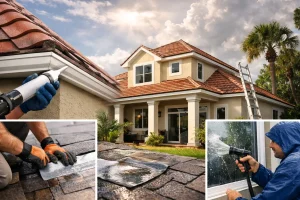
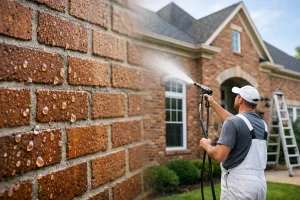
A roof coating is only as dependable as the surface beneath it. South Florida roofs commonly collect algae, mildew, dirt, loose particles, old coating residue, and airborne salt. Those contaminants must be addressed before coating begins. Cleaning is not cosmetic. It is essential to adhesion.
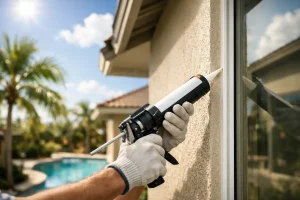
The contractor should also inspect for cracks, failed sealant, damaged flashing, loose fasteners, ponding water, soft areas, and leaks. Coating over an active leak or compromised substrate is not protection. It can conceal a problem temporarily while allowing damage to continue beneath the surface.
On an appropriate roof, the process generally includes thorough cleaning, dry-time verification, repairs and detail work, primer when required, and controlled application of the specified coating system. Proper film thickness and consistent coverage matter. Thin, uneven application is one reason lower-cost roof painting jobs often fail early.
Where Reflective Coatings Deliver the Best Value
Reflective coatings are often a strong fit for sound, serviceable roofs that are aging under intense sun but do not yet require replacement. They can be especially compelling for low-slope roof areas, metal roofs, certain concrete or masonry roof surfaces, and other substrates approved for the coating system.
A coating can also be valuable for homeowners who want to preserve a newer roof by reducing ultraviolet stress before visible deterioration accelerates. Waiting until a roof is badly cracked, leaking, or structurally compromised limits the options. Protective maintenance works best before damage becomes a replacement-level expense.
The value proposition is broader than energy use. A bright, uniform roof can improve curb appeal. A cooler roof surface can reduce thermal stress. A protective finish can make the roof easier to maintain and may help extend the useful life of an eligible roof surface. For homeowners planning to remain in their property, those combined benefits can make a premium coating more attractive than repeatedly applying low-cost paint.
When a Coating Is Not the Right Answer
An honest reflective roof coating review must acknowledge the limits. Coating is not a repair method for a roof with widespread water damage, major structural issues, failing underlayment, or a substrate at the end of its life. In those situations, replacement or substantial repair may be the responsible recommendation.
Roof type also matters. Tile, shingle, metal, concrete, and low-slope systems each have different preparation needs and coating compatibility. Applying the wrong material can affect drainage, appearance, traction, or the roof manufacturer’s requirements. The right contractor will explain what is suitable for your specific roof instead of treating every surface the same.
Drainage deserves close attention as well. Persistent ponding water can shorten the service life of coatings that are not designed for that exposure. Before coating, water-management issues may need correction. This is one reason a licensed, experienced building contractor brings more value than a crew that simply offers roof cleaning and paint.
Questions Homeowners Should Ask Before Approving the Work
A coating estimate should clearly identify the roof areas being treated, the preparation process, repair scope, coating product, number of coats, and warranty terms. Vague proposals make it difficult to compare true value.
Ask whether the contractor is licensed and insured, whether the application team is trained for the specific coating system, and how the roof will be inspected before work starts. Ask what happens if hidden damage is discovered. You should also understand the maintenance recommendations, since occasional cleaning and inspection help preserve reflective performance.
Warranty language deserves more than a quick glance. A manufacturer-backed warranty can be a meaningful sign of confidence, but homeowners should know what it covers, what maintenance is required, and whether installation by an authorized or factory-certified contractor is necessary. The strongest protection comes from a quality product, proper installation, documented scope, and a contractor who remains accountable after the job is complete.
A Better Standard for South Florida Roof Protection
The most valuable reflective roof coating is not the cheapest option and not necessarily the whitest-looking finish. It is the system that is compatible with your roof, properly prepared, professionally installed, and built to stand up to South Florida’s climate.
Tri-County Painters approaches roof coatings as part of a broader exterior protection strategy, not as a quick cosmetic upgrade. That means evaluating the roof honestly, using high-performance Reflect-Tec® coating solutions where appropriate, and giving homeowners a clear path toward lower heat absorption, stronger weather defense, and less frequent maintenance.
Before committing to roof paint or a coating, have the roof assessed for condition, compatibility, and moisture concerns. A careful evaluation now can help you protect the home you have worked hard to maintain and avoid paying twice for a shortcut later.