A South Florida roof absorbs far more than rain. Day after day, it faces intense UV exposure, high humidity, wind-driven storms, airborne salt, and heat that can push roof surface temperatures far beyond the outdoor air temperature. When a roof begins to fade, chalk, stain, or show signs of weathering, residential roof painting can be a practical way to restore its appearance while adding another layer of climate protection.
The key is choosing a coating system designed for the roof material, its current condition, and Florida’s demanding environment. A roof coating is not simply exterior wall paint applied overhead. Done correctly, it can help reflect solar heat, protect against UV deterioration, and support a longer-lasting roof surface. Done poorly, it can trap moisture, peel prematurely, or conceal problems that should have been repaired first.
Why Residential Roof Painting Matters in South Florida
Most homeowners notice roof color first. A once-bright white tile roof can become gray with mildew staining, while darker roofs may look faded or uneven after years of relentless sun. Appearance matters for curb appeal, but the larger issue is exposure. UV rays gradually break down many roof finishes, while moisture and organic growth can create a worn, neglected look that affects the entire property.
A properly specified reflective roof coating helps address both concerns. Light-colored, heat-reflective coatings can reduce the amount of solar energy absorbed at the roof surface. That can help lessen heat transfer into the home, particularly when paired with sound attic insulation and ventilation. The exact impact on cooling costs depends on the home’s design, insulation, roof color, HVAC system, and daily sun exposure, but reducing rooftop heat gain is a sensible part of a broader energy-efficiency strategy.
For homeowners who are tired of watching their roof lose its clean appearance every few years, a premium coating also creates a more maintainable surface. It is an investment in preserving the roof’s finish, reinforcing curb appeal, and avoiding the short-term cycle of low-grade repainting.
Not Every Roof Should Be Painted
Residential roof painting is a protective maintenance service, not a substitute for roof repair or replacement. Before any coating is recommended, the roof must be assessed for structural and moisture-related issues. Coating over cracked tiles, failing flashing, active leaks, damaged underlayment, loose fasteners, or deteriorated substrate materials will not correct those conditions.
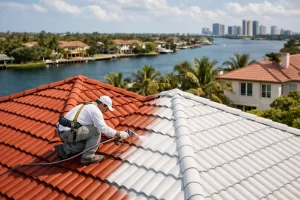
The most suitable candidates are roofs that remain fundamentally sound but need renewed protection and color consistency. Concrete tile, barrel tile, flat tile, metal, and certain low-slope roof surfaces may be eligible for coating, depending on their existing condition and the product system selected. Each material requires a different approach to cleaning, repair, priming, and coating application.
For example, concrete tile is porous and often needs careful cleaning and preparation to promote coating adhesion. Metal roofs can require treatment for oxidation, fastener areas, and seams before coating. Low-slope roofs require particular attention because ponding water, drainage details, and membrane condition can determine whether a coating system is appropriate.
A qualified inspection should answer a straightforward question: Is the roof a good candidate for protective coating, or does it need repair work first? An honest contractor will not treat coating as a shortcut around roofing concerns.
The Difference Between Roof Paint and a Roof Coating System
The terms “roof paint” and “roof coating” are often used interchangeably, but performance depends on much more than the label on a bucket. Conventional paint may improve color temporarily, yet it may not provide the adhesion, flexibility, reflectivity, mildew resistance, or weathering performance required for a roof exposed to Florida sun and rain.
A professional roof coating system is selected around the roof material and environmental demands. Reflect-Tec® coatings, for example, are designed to provide a durable, reflective finish for eligible residential roofs. Their purpose is to help protect the roof surface from UV exposure while contributing to lower surface temperatures and a refreshed, uniform appearance.
The product matters, but the installation process matters just as much. Even a premium coating can fail if the surface is dirty, damp, improperly repaired, or coated without the correct primer and film thickness. Homeowners should view the project as a system: evaluation, preparation, repairs, compatible materials, controlled application, and appropriate curing time.
Preparation Determines the Result
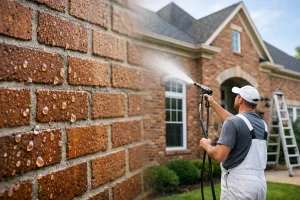
The roof should never be coated before it is properly cleaned and prepared. South Florida roofs commonly carry algae, mildew, dirt, oxidation, salt residue, loose prior coatings, and chalking from weathered surfaces. These contaminants can prevent a new coating from bonding as intended.
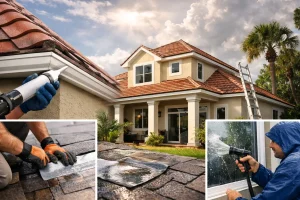
Professional preparation typically begins with a thorough inspection and cleaning process appropriate for the roof type. The goal is to remove surface contamination without damaging tiles, disturbing roof components, or forcing water into vulnerable areas. Any cracked or loose components, exposed fasteners, failing sealants, and localized defects should be addressed before the coating phase begins.
Once the roof is clean and dry, the application team determines whether a primer is needed. Primers can be especially important on porous, weathered, or previously coated surfaces. They help create a stable foundation for the finish coats and can improve adhesion across the roof.
Application should also account for weather. Florida’s afternoon rain patterns, high humidity, and heat can affect drying and curing. A professional crew plans around conditions rather than rushing material onto a surface that is wet, too hot, or likely to be hit by immediate rainfall.
What Homeowners Should Expect From the Process
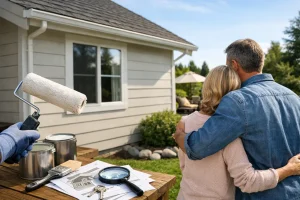
A well-managed roof coating project is organized around protecting the home as carefully as the roof itself. Before work begins, the contractor should explain the roof’s condition, the recommended coating system, required repairs, expected preparation, and realistic project timing.
During the work, landscaping, walls, windows, pool areas, and surrounding hardscape should be protected from cleaning runoff and overspray. This attention to detail matters on a residential property, where the roof project should improve the home without creating a cleanup problem below.
The application itself may involve multiple steps rather than a single coat. That is normal. Coverage rates, coat thickness, cure times, and treatment of penetrations or transitions should follow the coating manufacturer’s specifications. A roof is not the place for guesswork, especially when the goal is long-term weather protection.
After completion, the finish should look uniform, but the value goes beyond color. The right system gives the roof a renewed protective surface built to withstand the sun, rain, and humidity that define South Florida living.
How to Choose a Contractor for Roof Painting
Roof painting affects one of the most exposed systems on your home. It deserves more scrutiny than a basic painting quote. The lowest price may reflect skipped preparation, inferior materials, inadequate coverage, or crews that lack experience working on residential roof surfaces.
Look for a contractor that can clearly explain which product is being used and why it fits your roof. Ask whether the company is properly licensed, whether its applicators are trained for the selected system, and how it handles surface repairs, primers, weather delays, and property protection. You should also understand what warranty coverage applies and what ongoing maintenance is recommended.
Tri-County Painters approaches roof coatings as part of a complete exterior preservation strategy. As a state-licensed certified building contractor with factory-certified application teams, the company focuses on high-performance coating systems that help homeowners protect their properties from South Florida’s most punishing conditions.
A Smarter Way to Protect a Sound Roof
Residential roof painting makes the most sense when it is treated as proactive protection, not cosmetic cover-up. A sound roof with fading color, heat exposure, and surface weathering may benefit from a properly engineered reflective coating system. A roof with active leaks or failing materials needs those issues resolved before any finish is applied.
The right decision starts with a careful roof evaluation, not a color chart. When the surface is eligible, professional preparation and a premium reflective coating can help preserve the roof’s appearance, reduce solar heat absorption, and give homeowners more confidence every time the Florida forecast turns hot, wet, and unforgiving.