Step outside in South Florida around midafternoon and you can feel where the heat is coming from. It is not just the air. Your roof is absorbing sun for hours, holding that heat, and pushing it down into the house. That is why so many homeowners start looking at a roof coating to reduce heat when cooling bills stay high and upstairs rooms never seem to feel comfortable.
A quality roof coating can absolutely help, but only when the roof is the right candidate, the product matches the roofing material, and the application is done correctly. This is where many homeowners get mixed messages. Some are told any white coating will solve the problem. Others hear that coatings are just cosmetic. Neither is accurate.
How a roof coating to reduce heat actually works
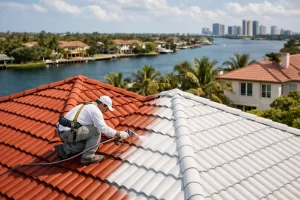
A heat-reducing roof coating is designed to reflect more of the sun’s energy instead of letting the roof absorb it. Traditional dark roofing materials tend to soak up solar radiation, which drives surface temperatures up. Once that heat builds, it transfers into the attic and living space, forcing your air conditioning system to work harder and longer.
Reflective roof coatings change that equation. By bouncing more sunlight away from the roof surface and improving thermal performance at the top of the home, they can lower roof temperatures significantly. That does not mean your house suddenly becomes cold with no other upgrades. It means the roof contributes less heat load, which can improve comfort and reduce stress on your cooling system.
In South Florida, that matters more than it does in milder climates. Long sun exposure, high humidity, warm evenings, and heavy AC use create the exact conditions where roof heat becomes a real cost issue. A roof that stays cooler during the hottest part of the day gives the entire home a better chance of staying comfortable.
The biggest benefits beyond lower temperatures
Most homeowners first ask about energy savings, and that is fair. If your roof is absorbing less heat, your AC may run less often or cycle more efficiently. But lower roof temperature is only part of the value.
A properly specified coating can also help protect the roof surface from UV damage, weather exposure, and material breakdown. In Florida, sun is relentless, but it is not the only problem. Rain, salt air in coastal areas, mildew pressure, and expansion and contraction all work against roofing materials year after year. A high-performance coating system adds another layer of defense.
That is why the right conversation is not only about monthly utility costs. It is also about roof preservation, reduced wear, and long-term value. For many homeowners, the smarter investment is not the cheapest coating option. It is the system that improves performance while helping the roof last longer under harsh local conditions.
When roof coating makes sense – and when it does not
This is where experience matters. Not every roof should be coated, and not every roof will deliver the same result.
If a roof is aging but still structurally sound, a reflective coating may be a practical way to improve performance and extend service life. If the roof has good drainage, no major trapped moisture, and a surface that can properly accept the coating, it can be an excellent candidate.
On the other hand, a roof with active leaks, widespread deterioration, soft decking, or major substrate failure needs repair or replacement first. Coating over serious underlying problems is not protection. It is postponement. A quality contractor should be direct about that.
Roof type matters too. Tile, metal, flat and low-slope roofing systems, and certain other surfaces all have different preparation requirements and product compatibility standards. The best coating for one roof may be the wrong choice for another. Homeowners should be cautious of one-size-fits-all promises because coatings are only as good as the system design behind them.
Why product quality and application matter so much
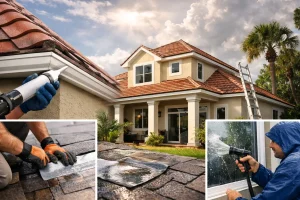
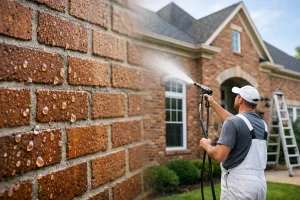
A roof coating is not just a bucket of material rolled across the surface. Performance depends on proper cleaning, repairs, surface prep, environmental conditions during application, and achieving the right coverage rates and film thickness.
If the roof is not prepared correctly, adhesion can fail. If the wrong coating is used, reflectivity and durability can fall short. If the application is uneven, the finished system may not perform the way it was sold. This is one reason bargain roof painting offers often disappoint homeowners. The price may sound appealing, but shortcuts in prep and product quality usually show up later.
For South Florida homes, the standard should be higher. Intense UV, storms, humidity, and wind-driven rain expose weak workmanship quickly. A properly installed reflective coating system should be treated as a protective upgrade, not a quick cosmetic job.
That is why factory-certified application, licensed contractor oversight, and product-specific expertise matter. Homeowners are not just buying a lighter roof color. They are investing in how that roof performs over time.
What kind of results should homeowners expect?
Reasonable expectations lead to better decisions. A roof coating to reduce heat can lower surface temperatures and may reduce cooling demand, especially on homes with heavy sun exposure and heat gain from above. Homes with poor attic ventilation or little insulation may feel a noticeable difference once the roof is reflecting more solar energy.
Still, results depend on the full condition of the house. Insulation levels, ductwork, window exposure, air leaks, roof color, and HVAC efficiency all affect comfort and energy use. A roof coating is powerful, but it is one part of the building envelope.
That does not weaken the case for coating. It simply means honest guidance matters. The right contractor should explain where a coating can deliver strong value and where other factors may limit the total benefit. Homeowners deserve a realistic performance conversation, not inflated claims.
Why this matters more in South Florida
In cooler regions, reflective roofing can be a nice upgrade. In South Florida, it is often a strategic one.
Homes here take a year-round beating from solar exposure. Roof surfaces can become extreme heat collectors, especially with darker finishes or aging materials that have lost performance over time. Add humidity and storm season into the mix, and the roof becomes one of the most stressed parts of the home.
That is why many homeowners are moving away from short-term paint jobs and toward advanced coating systems built for climate protection. They want lower maintenance, stronger weather resistance, and a surface that helps defend the home rather than work against it.
For homeowners who are tired of repainting cycles and rising energy costs, this is where premium coating systems stand apart. Better technology, proper installation, and long-term warranty backing create a different level of confidence than commodity painting ever can.
Choosing the right contractor for roof heat reduction
The contractor you choose will have as much impact as the product itself. A company that specializes in protective exterior systems will approach your roof differently than a general painter looking to add another service line.
Ask whether they are licensed, whether their crews are trained for the specific coating system, and whether they inspect roof condition before recommending application. Ask what prep work is included, how the coating is matched to the roof type, and what warranty support exists after the job is complete.
Most importantly, look for a contractor who talks about performance and protection, not just color and price. That is the difference between a surface treatment and a real exterior investment.
For South Florida homeowners, this is exactly why companies like Tri-County Painters focus on advanced, energy-efficient coating systems rather than basic repainting. The goal is not to make the roof look newer for a season. The goal is to help the home stay cooler, withstand the climate better, and require less ongoing maintenance.
A cooler roof will not solve every comfort issue in a house. But when your home sits under Florida sun day after day, reducing heat at the top is one of the smartest places to start. The right coating, on the right roof, installed by the right team, can turn that overhead heat source into a real layer of protection.