A South Florida roof can absorb punishing heat long before the afternoon rain arrives. When homeowners compare roof coating versus roof paint, the real question is not simply which product looks better after application. It is which system can handle ultraviolet exposure, moisture, wind-driven rain, salt air, and year-round temperature stress without creating another short-term maintenance project.
The right answer depends on your roof material, its condition, the product specification, and the level of long-term protection you expect. A basic roof paint may refresh appearance and add limited reflectivity. A professionally specified roof coating system is designed to act as a protective membrane, helping defend the roof surface while improving solar reflectance and extending service life.
Roof Coating Versus Roof Paint: The Key Difference
The terms are often used interchangeably, and that can make it difficult for homeowners to compare proposals. Both products may be applied with a sprayer or roller, and both may be available in bright, reflective colors. Their intended performance, film build, and durability can be very different.
Roof paint is generally a thinner finish intended primarily for color restoration and surface appearance. Some premium roof paints include reflective pigments and moisture resistance, but conventional paint is not always engineered to bridge minor surface movement, seal hairline imperfections, or create a durable weatherproofing layer.
A roof coating is typically a higher-build, purpose-made protective system. Depending on the roof type and coating chemistry, it may provide a thicker, more flexible film that adheres to the roof surface and helps resist water intrusion, UV degradation, chalking, and fading. Reflective roof coatings are also designed to send more solar energy away from the surface rather than allowing it to become heat.
That difference matters in Florida. A roof is not a vertical wall that sheds water quickly and stays shaded for much of the day. It is a large, exposed surface that receives direct sun, heavy rain, humidity, and airborne contaminants. Selecting a product based on color alone can leave the roof underprotected.
What Roof Paint Can Do Well
Roof paint can be an appropriate option when the roof is structurally sound, the surface is properly prepared, and the homeowner’s goal is mainly cosmetic renewal. A quality reflective paint can improve a weathered roof’s appearance, create a more uniform finish, and reduce some heat absorption compared with a dark or heavily faded surface.
For homeowners preparing a property for sale, paint can sometimes be a practical refresh when a full protective coating system is not warranted. It may also be suitable for certain roof materials when the manufacturer specifically approves the paint and the roof has no active moisture, adhesion, or substrate problems.
The limitation is that paint is often treated as a finish rather than a complete protection strategy. Florida’s sun can break down lower-grade binders over time, causing chalking, fading, and reduced water resistance. If the coating is too thin, poorly adhered, or applied over a dirty surface, it can peel or wear prematurely. The homeowner may be back on the maintenance cycle sooner than expected.
A lower initial price is not automatically a lower long-term cost. Repeated cleaning, touch-ups, repainting, and repairs can make a basic paint solution more expensive over the years.
Where a High-Performance Roof Coating Adds Value
A high-performance roof coating is intended for homeowners who want more than a color change. It is a planned investment in roof preservation, energy efficiency, and reduced maintenance.
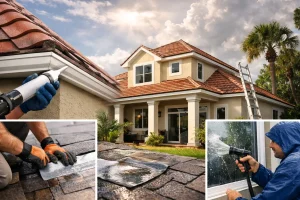
A professionally installed system begins with preparation. The roof must be evaluated for existing damage, loose material, cracked tiles, moisture concerns, mildew, failed prior coatings, and areas that require repair before any protective product is applied. Coating over problems does not solve them. It can conceal them temporarily and make later repairs more complicated.
Once the surface is properly cleaned, repaired, and primed when required, the coating is applied at the manufacturer-specified coverage rate. That application rate matters. A coating that is spread too thin may not deliver its intended thickness, reflectivity, flexibility, or durability.
For suitable roofs, a reflective coating can offer several meaningful advantages:
- It helps reduce heat absorbed by the roof surface, which can lessen heat transfer into the attic and living space.
- It provides an additional weather-resistant layer against UV exposure, rain, and humidity.
- It can help preserve color and reduce the faded, chalky appearance common on unprotected roof finishes.
- It may reduce the frequency of repainting or restoration work when paired with proper maintenance.
Energy savings vary with the roof’s color, insulation, attic ventilation, HVAC performance, home design, and daily sun exposure. No responsible contractor should promise that every home will see the same utility-bill reduction. Still, reducing surface heat is a sensible part of a broader cooling-efficiency strategy in South Florida.
The Roof Material Changes the Decision
There is no universal coating or paint that belongs on every roof. The substrate determines the preparation method, primer requirements, coating compatibility, and realistic performance expectations.
Concrete Tile Roofs
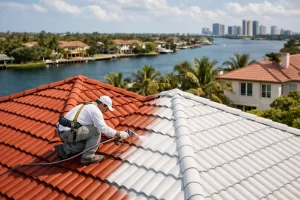
Concrete tile roofs are common throughout South Florida and are frequently coated to restore color and reflectivity. They require thorough pressure cleaning, careful inspection, and repairs before coating. Cracked or displaced tiles should be addressed first. A premium coating system can help renew the appearance of a tile roof while adding UV and weather protection, but it is not a substitute for repairing failing underlayment or damaged flashing.
Metal Roofs
Metal roofs can benefit from coatings that resist UV exposure and help manage heat, but adhesion is critical. Rust, oxidation, loose existing paint, and contaminated surfaces must be properly treated. The wrong product can lose adhesion as the metal expands and contracts in the Florida heat.
Low-Slope and Flat Roofs
Low-slope roofs often require a true roof coating system rather than decorative paint. Ponding water, seams, penetrations, drains, and flashing details need close attention. These roofs may call for specialized elastomeric, silicone, or other manufacturer-approved systems. This is not a place to make a decision based only on a low per-gallon product price.
Shingle Roofs
Asphalt shingles deserve special caution. Applying paint or coating can affect granule performance, moisture movement, manufacturer warranties, and future repair options. Before considering any product, homeowners should confirm that it is appropriate for their specific shingle type and understand how it may affect the roof warranty. In many cases, cleaning, repair, or replacement is a better path than coating.
Why Preparation and Application Matter More Than the Label
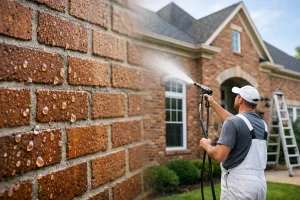
Even a premium roof coating can fail if the roof is not correctly prepared. Dust, chalk, mildew, loose paint, salt residue, and trapped moisture can interfere with adhesion. Application during unsuitable weather can also create problems, particularly when rain arrives before the coating has cured.
Professional application should include a roof assessment, cleaning plan, repair recommendations, compatible primer where needed, and a documented coating process. Homeowners should also ask whether the contractor is licensed for the work, trained by the manufacturer, and able to explain the system warranty in plain language.
Tri-County Painters approaches roof protection as part of the home’s exterior defense system, not as a quick color change. With factory-certified application practices and Reflect-Tec® roof coatings, the focus is on a properly prepared, heat-reflective finish built for Florida exposure.
Questions to Ask Before You Choose
The best proposal is not necessarily the one with the lowest price or the brightest white sample. Ask what product is being used, what roof materials it is approved for, how the surface will be prepared, and how much coating will be applied. Confirm whether repairs are included or separate, and request clear information on the product and workmanship warranty.
Also ask what the contractor has found during the roof inspection. If there are active leaks, failing underlayment, broken tiles, corrosion, or moisture trapped beneath an existing coating, those conditions deserve attention before cosmetic work begins. A protective coating is valuable when it is applied to a roof that is a good candidate for it.
For a roof that is in sound condition and needs renewed appearance, a quality paint may be enough. For homeowners seeking stronger protection from sun, rain, fading, and recurring maintenance, a high-performance reflective coating is usually the more durable choice. The smart next step is a professional roof evaluation that matches the system to the roof you actually have, not the one a one-size-fits-all product claims to cover.