South Florida stucco does not fail because homeowners neglect it. It fails because it faces punishing UV exposure, driving rain, high humidity, salt air, and year-round heat. A properly specified stucco protection coating gives your exterior a stronger line of defense than conventional paint, helping preserve the appearance, comfort, and value of your home.
For homeowners tired of seeing faded color, hairline cracks, chalking walls, and repeated paint estimates, the right coating system changes the conversation. The goal is not simply to make the house look freshly painted. It is to protect the stucco substrate and reduce the maintenance cycle that Florida weather creates.
Why Florida Stucco Needs More Than Standard Paint
Stucco is a durable exterior finish, but it is not maintenance-free. Its textured surface is porous, which means moisture, airborne contaminants, and heat can take a steady toll over time. When conventional exterior paint ages under intense sunlight, it can lose color, become chalky, and allow water to work into vulnerable areas.
That moisture can make existing cracks worse, contribute to staining, and create conditions where mildew can return. Near the coast, salt air adds another layer of exposure. Even homes that appear structurally sound can develop a tired, weathered exterior long before the owner expects it.
Standard paint can be appropriate for certain homes and budgets, particularly when the surface is in excellent condition and the owner accepts a shorter maintenance interval. But paint is generally a cosmetic finish first. A high-performance coating system is selected and applied as a protective exterior solution, with attention to waterproofing, flexibility, UV resistance, and long-term color retention.
What a Stucco Protection Coating Is Designed to Do
A quality stucco protection coating is a specialized exterior finish built to address the conditions that wear down painted stucco. It is not a substitute for proper repairs, and it cannot correct structural movement or active water intrusion behind the walls. What it can do is create a more durable protective layer once the home has been properly prepared.
The strongest systems are designed to help resist moisture penetration while still allowing the wall assembly to perform as intended. They also provide a flexible finish that can accommodate minor surface movement better than a brittle, aging paint film. This matters in South Florida, where heat, humidity, and afternoon rain can put exterior materials through constant expansion and contraction.
Heat reflection is another major advantage. Darker exterior colors and sun-facing walls can absorb significant heat, raising surface temperatures and placing added stress on the coating beneath. Premium heat-reflective systems such as TEX•COTE® COOLWALL® are engineered to reflect more of the sun’s infrared energy, helping reduce wall surface temperatures and supporting a more comfortable home exterior.
That does not mean a coating alone will solve every cooling issue. Insulation, windows, roof condition, HVAC performance, and shade all affect energy use. Still, reducing solar heat absorption at the exterior wall is a practical part of a broader home-efficiency strategy.
The Preparation Behind Long-Term Performance
The coating itself matters, but the preparation work often determines whether the project performs as promised. Applying a premium finish over loose paint, chalking residue, mildew, or unrepaired cracks is not protection. It is a temporary cover-up.
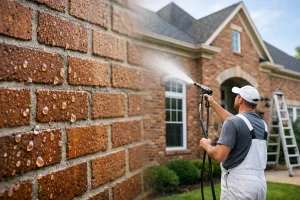
A professional stucco coating project should begin with a close inspection of the exterior. The contractor needs to identify failed paint, cracks, damaged sealant around windows and doors, staining, and areas where moisture may be entering. Pressure cleaning and surface treatment are then used to remove contaminants that can interfere with adhesion.
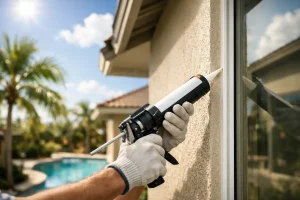
Cracks require the right repair approach based on their size, location, and cause. Small non-structural cracks may be addressed as part of surface preparation, while larger or recurring cracks should be evaluated before coating begins. Proper caulking around penetrations, trim, doors, and windows is equally important because these transition points are common paths for water intrusion.
Only after the substrate is clean, sound, dry, and repaired should the coating system be applied. Factory-certified application teams understand the required materials, coverage rates, and conditions for the system they install. That level of discipline protects both the investment and the warranty behind it.
Signs Your Home May Be Ready for Protection
Many homeowners wait until the exterior looks severely worn before calling a contractor. In Florida, earlier action can prevent a cosmetic concern from becoming a more expensive repair issue. Consider an inspection if you are seeing four or more of these conditions:
- Fading or uneven color on the sun-facing sides of the home
- White, powdery residue when you touch painted stucco
- Hairline cracking, peeling paint, or blistering areas
- Recurring mildew, algae staining, or dark streaks
- Failing caulk around windows, doors, vents, or trim
- A repainting cycle that seems to return every few years
These signs do not automatically mean the stucco itself has failed. They do indicate that the exterior finish should be assessed before another basic paint job is selected by default.
Choosing the Right Coating System for Your Home
Not every stucco protection coating is the same, and the lowest proposal is rarely the best measure of long-term value. Homeowners should look beyond a color card and ask what system is being installed, how the surface will be prepared, who will perform the work, and what warranty coverage applies.
A premium coating may cost more than conventional paint at the start. That is the trade-off. In return, the homeowner may gain greater resistance to fading, improved weather protection, reduced repainting frequency, and heat-reflective performance that ordinary paint does not provide. For a home expected to remain in the family for years, that can make the higher initial investment more practical.
Color choice also deserves careful consideration. South Florida homes can benefit from lighter, heat-reflective colors, but modern coating technology can offer more flexibility than homeowners expect. A qualified contractor can help balance architectural style, HOA requirements, heat exposure, and long-term color performance without pushing a one-size-fits-all answer.
Why Contractor Credentials Matter
Exterior coatings are only as reliable as the contractor installing them. A product label does not guarantee correct preparation, proper repairs, or application to manufacturer standards. Homeowners should seek a licensed contractor with specific experience in stucco restoration, weatherproofing, and protective coatings – not just general painting.
Tri-County Painters approaches exterior work as a long-term home defense decision, using factory-certified application practices and premium coating systems designed for Florida conditions. That distinction matters when your home is exposed to high heat, intense rain, and UV pressure every day of the year.
Ask direct questions before approving the work. Find out how cracks will be handled, whether failed caulk will be replaced, what cleaning and preparation steps are included, and whether the proposed system is backed by a meaningful manufacturer warranty. Clear answers are a sign that the contractor is focused on performance, not simply getting material on the wall.
Protect the Exterior Before Small Problems Spread
A fresh-looking exterior is valuable, but the real purpose of a high-performance coating is confidence. Your stucco should be equipped to stand up to Florida’s climate without forcing you into a constant cycle of patching, repainting, and worrying about what the next rainy season will reveal.
If your walls are fading, cracking, or absorbing the effects of years of sun and moisture, schedule a professional exterior evaluation before choosing another standard paint job. The right solution begins with an honest assessment of your stucco and a coating system built to protect it for the long term.