A South Florida home can feel the effects of the sun long before the thermostat shows it. When exterior walls, roof surfaces, windows, and attic spaces absorb heat all afternoon, your air conditioner has to fight that stored heat well into the evening. The top ways to lower cooling costs are not limited to changing thermostat settings. They start with reducing the heat your home takes on in the first place.
For homeowners who are tired of high summer utility bills, the most valuable improvements are the ones that protect the entire building envelope. That means addressing air leaks, sun exposure, roof heat, insulation, and aging exterior finishes as one long-term home performance strategy.
Top Ways to Lower Cooling Costs Before Heat Gets Inside
Stop conditioned air from escaping
Cool air is expensive to produce, and gaps around doors, windows, attic hatches, plumbing penetrations, and ductwork allow it to escape. At the same time, those openings pull hot, humid outdoor air into the home. In South Florida, that added humidity makes the air conditioning system work harder because it must remove moisture as well as lower the temperature.
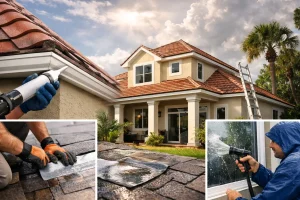
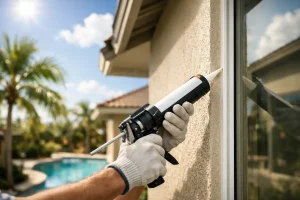
Start with weatherstripping on exterior doors and inspect door sweeps for daylight showing underneath. Seal visible gaps around window frames, utility lines, and wall penetrations with the appropriate exterior-grade sealant. If certain rooms are consistently warmer, have a qualified professional inspect the duct system as well. Leaky ducts in a hot attic can waste a meaningful portion of the cooling you are already paying for.
Air sealing is usually one of the more practical upgrades, but it should be done carefully. Your home still needs proper ventilation and moisture management. The goal is controlled airflow, not trapping unwanted humidity indoors.
Maintain the air conditioning system that carries the load
A high-performance exterior will not compensate for an air conditioner that is neglected, incorrectly sized, or struggling with restricted airflow. Replace or clean filters on schedule, keep supply and return vents clear, and have the system serviced before the peak cooling season. Dirty coils, low refrigerant, worn components, and a clogged condensate line can all reduce efficiency and reliability.
Thermostat settings matter, but extreme settings are rarely the answer. Raising the temperature a few degrees when the house is unoccupied can reduce runtime, particularly when paired with a programmable or smart thermostat. Avoid shutting the system off completely during long absences in humid weather. Maintaining a reasonable temperature and humidity level helps protect finishes, furnishings, and indoor air quality.
Ceiling fans can also make rooms feel more comfortable at a slightly higher thermostat setting. They cool people, not rooms, so turn them off when the room is empty.
Control solar gain through windows and doors
Large windows are a major source of natural light, but direct sun can quickly raise indoor temperatures. Window coverings, solar shades, insulated drapes, and properly selected window film can limit solar heat gain without forcing homeowners to live in a dark house. Exterior shade is even more effective because it stops sunlight before it reaches the glass.
Consider the direction each side of your home faces. West-facing windows often receive the harshest afternoon sun, while south-facing elevations can experience prolonged exposure. Shade structures, covered patios, awnings, and landscaping can help, provided they are designed to withstand Florida weather and do not create moisture problems against the home.
If replacement windows are already part of your long-term plan, select products with performance ratings suited to the local climate. New windows can be a significant investment, so the value depends on the age and condition of existing units, how much direct sun they receive, and whether air leakage is already present.
Reduce Heat at the Roof and Exterior Walls
Treat the roof as a major heat source
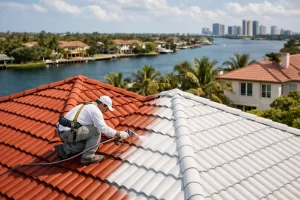
Your roof receives direct sunlight for hours each day. Dark, weathered, or heat-absorbing roof surfaces can transfer that heat into the attic, increasing the burden on insulation and HVAC equipment. Reflective roof coatings, including Reflect-Tec® coating systems when appropriate for the roof type and condition, are designed to reflect more solar energy and help reduce surface heat.
A roof coating is not a substitute for repairing a failing roof. The surface must be structurally sound, properly prepared, and compatible with the coating system. Before making a decision, have the roof evaluated for active leaks, damaged materials, drainage concerns, and existing coating condition. When applied to the right roof by trained professionals, a reflective coating can be a practical part of an energy-conscious exterior plan.
Upgrade exterior walls with heat-reflective protection
Conventional exterior paint is primarily selected for color and appearance. In South Florida, that is not enough. Intense UV exposure, rain, humidity, salt air near the coast, and repeated thermal movement can fade, degrade, and stress a basic paint finish. As walls heat up, they can also radiate warmth inward, especially on elevations exposed to afternoon sun.
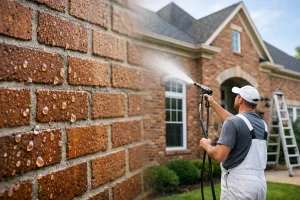
A premium heat-reflective wall coating is designed to do more than refresh curb appeal. TEX•COTE® COOLWALL® residential coatings use advanced pigments that reflect solar heat across a broad range of colors, helping lower exterior surface temperatures while providing durable weather protection. This makes the exterior finish part of the home’s cooling strategy rather than a cosmetic layer that needs frequent replacement.
The right coating system can be especially valuable for homes with strong sun exposure, large wall areas, aging paint, or a history of fading and repeated repainting. It also offers a trade-off worth considering: premium coatings cost more upfront than commodity paint, but their long-term value can be stronger when durability, reduced maintenance, exterior preservation, and cooling performance are priorities.
Tri-County Painters applies these systems as an Authorized TEX•COTE® COOLWALL® Dealer, using factory-certified application teams and a process built around surface preparation, system compatibility, and warranty-backed protection. That level of installation discipline matters. Even the best coating cannot perform as intended over loose paint, moisture-damaged surfaces, or improperly prepared walls.
Do not overlook attic insulation and ventilation
Insulation slows the movement of heat from the attic into living spaces. If it is thin, compressed, wet, or uneven, your air conditioner may be absorbing the cost. An attic assessment can identify missing insulation, air bypasses around recessed fixtures and penetrations, or signs of moisture that need correction before new material is installed.
Ventilation also deserves a professional review. Proper attic airflow can help manage heat and moisture, but more vents are not automatically better. The ideal approach depends on roof design, existing intake and exhaust ventilation, insulation levels, and local building requirements. Improper modifications can create moisture issues or reduce performance.
Use Daily Habits That Support Your Home’s Efficiency
The exterior improvements deliver the biggest structural gains, but everyday choices can prevent unnecessary cooling demand. Run heat-producing appliances such as dryers, ovens, and dishwashers during cooler parts of the day when practical. Keep blinds closed on sun-facing windows during peak afternoon hours. Make sure refrigerator coils, dryer vents, and bathroom exhaust fans are maintained so they do not add avoidable heat or moisture indoors.
Landscaping can support comfort, too. Healthy trees and thoughtful shade planting may reduce direct solar exposure over time, but plants should be kept away from walls and rooflines to prevent trapped moisture, mold growth, and maintenance access problems. A cooler house is not worth creating a new exterior preservation issue.
Think Beyond the Monthly Utility Bill
Lower cooling costs are a worthwhile goal, but the best improvements do more than reduce air conditioner runtime. They help create steadier indoor comfort, protect exterior materials from UV damage, reduce moisture-related risks, and limit the cycle of repainting and repairs that Florida homeowners know too well.
For a home facing relentless sun, the most durable answer is often to stop treating the exterior as decoration. When the roof, walls, insulation, openings, and cooling equipment work together, your home is better prepared to defend its comfort, appearance, and value through every South Florida summer.