A lifetime warranty can sound like the simplest part of an exterior coating project: install the product once, then stop worrying about paint failure. In South Florida, that promise deserves a closer look. This homeowner guide to lifetime coating warranties explains what the word “lifetime” should mean, what it may not cover, and how to choose protection that holds up against relentless UV exposure, humidity, wind-driven rain, salt air, and mildew.
A coating warranty has real value only when three things align: a proven coating system, correct surface preparation, and a qualified contractor who follows the manufacturer’s application requirements. Miss one of those pieces, and a strong-looking warranty can become difficult to use when your home needs it most.
What Does a Lifetime Coating Warranty Actually Mean?
“Lifetime” rarely means every possible exterior problem will be covered forever with no conditions. It usually means the manufacturer warrants specific performance characteristics for as long as you own the home, subject to the written terms of the warranty.
For a premium exterior coating, covered issues may include peeling, flaking, cracking, or abnormal fading caused by a defect in the material or its approved application. The details matter. A manufacturer may cover the coating material but not labor after a certain period. Another warranty may provide both material and labor coverage, but only when the system is installed by an authorized, factory-certified applicator.
That is why homeowners should never compare warranties by the headline alone. A “lifetime” label attached to ordinary paint does not necessarily offer the same protection as a lifetime warranty tied to a complete high-performance coating system.
The Product Warranty and Workmanship Warranty Are Different
A product warranty comes from the coating manufacturer. It addresses whether the coating itself performs as promised when used on an eligible surface and installed according to specifications.
A workmanship warranty comes from the contractor. It addresses defects related to preparation and application, such as improper adhesion caused by inadequate cleaning, missed repairs, or incorrect coating thickness. Both matter because even the best heat-reflective coating cannot compensate for a poorly prepared wall.
Ask for both warranties in writing before work begins. A contractor should be able to explain who stands behind the material, who stands behind the labor, how long each commitment lasts, and how a claim is handled.
Why South Florida Homes Need More Than a Basic Paint Warranty
Florida’s exterior conditions are hard on conventional paint. Intense sunlight can fade color and heat wall surfaces. Moisture can feed mildew growth. Coastal air can accelerate wear on homes near the ocean or Intracoastal waterways. Heavy rain finds failed caulk lines, hairline cracks, and weak adhesion.
Standard paint is often treated as a short-term finish. It may look excellent at first, then require another costly repainting cycle several years later. A high-performance coating system is designed as a protective layer, not simply a color change. For example, a heat-reflective exterior coating can help reduce surface temperatures while protecting the home from UV-related deterioration.
The trade-off is straightforward: premium coatings typically cost more upfront than a basic paint job. In return, homeowners may gain longer-lasting color, reduced maintenance, better weather resistance, and potential cooling benefits. The warranty is part of that long-term value, but it should support the system rather than be the only reason to buy it.
Homeowner Guide to Lifetime Coating Warranties: What to Check
Before signing a proposal, request the actual warranty document. Marketing brochures and verbal promises are useful starting points, but the written terms control coverage. Read the document with your own home and local conditions in mind.
First, confirm the warranty holder. Is coverage provided by the manufacturer, the installer, or both? A manufacturer-backed warranty generally provides more security than a contractor-only promise, particularly if the contractor later closes, changes ownership, or stops serving your area.
Next, look at the covered failure types. The wording should be specific. “Peeling and cracking” is clearer than a broad claim that the coating is “guaranteed.” Determine whether fading, chalking, blistering, delamination, mildew, or water intrusion are addressed. These are not interchangeable conditions, and not every warranty covers each one.
Then review the duration carefully. “Lifetime” may mean your ownership of the home, the useful life of the coating, or a limited period with prorated coverage later in the term. If the warranty is transferable, ask whether a new owner must register it, pay a transfer fee, or meet a deadline after the sale.
Finally, understand the remedy. If a valid issue occurs, will the company inspect the problem, provide replacement material, pay for labor, or repair only the affected section? A warranty that supplies material but leaves the homeowner responsible for removal, preparation, and labor has less practical value than one that addresses the complete repair.
Common Exclusions Are Not a Red Flag – Hidden Ones Are
Every legitimate warranty has exclusions. A coating manufacturer cannot take responsibility for damage caused by hurricanes, flying debris, structural movement, pressure-washing abuse, leaks from failed roofs or gutters, or neglect of existing substrate problems.
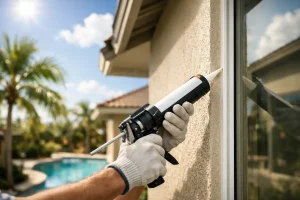
The concern is not the presence of exclusions. The concern is whether they are understandable and reasonable. A responsible contractor identifies issues before coating begins, including deteriorated stucco, failed sealant, active moisture intrusion, rusting metal, or areas with previous coating failure. Repairing those conditions first protects both your home and the warranty.
Pay particular attention to maintenance requirements. Some systems require periodic cleaning to remove dirt, salt deposits, and organic growth. That is normal in South Florida. However, the requirements should be practical and clearly stated. You should know whether improper cleaning chemicals, unapproved repairs, or later additions to the exterior could affect coverage.
Installation Credentials Protect Your Warranty
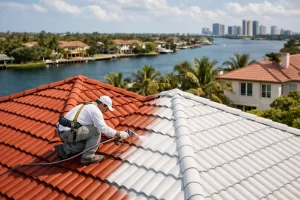
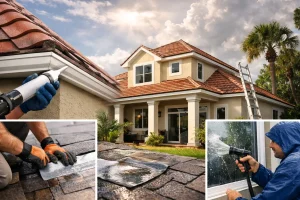
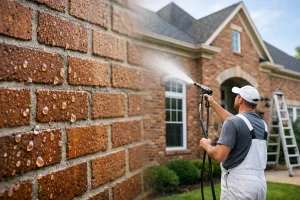
A coating warranty is only as dependable as the installation behind it. Premium systems are engineered to be applied at specific film thicknesses over properly prepared surfaces. That process can involve cleaning, pressure washing, treating mildew, repairing cracks, sealing joints, priming where required, and applying the coating under suitable weather conditions.
A low bid may look attractive until it leaves out the steps that create adhesion and long-term performance. Homeowners should ask who will perform the work, whether the crew has product-specific training, and whether the contractor is properly licensed and insured. For manufacturer-backed systems, verify that the installer is authorized to offer the stated warranty.
Tri-County Painters approaches exterior coatings as a long-term home protection decision, not a quick repaint. As an authorized TEX•COTE® COOLWALL® dealer with factory-certified application teams and certified building contractor credentials, the focus is on matching qualified installation with warranty-backed performance.
Questions Worth Asking Before You Commit
You do not need to become a coatings expert, but you should receive clear answers to a few essential questions. Ask whether the proposal identifies the exact coating system and color, whether surface repairs are included, and whether the warranty covers labor as well as material. Ask how claims are filed, who inspects a potential failure, and what documentation you should retain.
Also ask whether the warranty applies to your specific exterior surfaces. Stucco, masonry, concrete, wood trim, metal, and previously painted surfaces can have different preparation needs and eligibility requirements. If your home has significant cracking, moisture damage, or older failed coatings, the contractor should explain the repair plan before presenting the warranty as a finished solution.
Keep Your Warranty Records Where You Can Find Them
After the job is complete, save the signed contract, detailed scope of work, invoice, warranty certificate, product information, color records, and before-and-after photos. These documents make a future warranty inquiry faster and help a buyer understand the value of the coating if you sell the home.
A quick annual exterior walk-around is also wise. Look for new cracks, damaged caulk, roof or gutter leaks, impact damage, and areas where sprinklers repeatedly soak the walls. Early repairs can prevent small maintenance issues from turning into conditions that affect the coating or its warranty.
The right lifetime warranty should give you confidence, not fine-print anxiety. Choose a coating system built for Florida exposure, insist on qualified installation, and read the terms before the first gallon is applied. Your home deserves protection that performs long after the fresh color has stopped being new.