A South Florida exterior can look freshly painted on move-in day and tired only a few seasons later. Intense UV exposure, wind-driven rain, humidity, salt air, and year-round heat put ordinary paint under constant pressure. Homeowners searching for maintenance free exterior options are usually not looking for a miracle product. They want to stop budgeting for frequent repainting, touch-ups, mildew cleanup, and avoidable exterior repairs.
The honest answer is that no home exterior is completely maintenance-free. Windows need cleaning, gutters need attention, landscaping must be kept away from walls, and periodic inspections still matter. But the right exterior system can dramatically reduce the repainting cycle and protect the surfaces that take the hardest hit from Florida weather.
What “Maintenance Free” Should Mean for Your Exterior
For a Florida homeowner, low maintenance is not simply a matter of choosing a paint color that hides dirt. It means selecting materials and coatings that are designed to hold up against the conditions that cause ordinary finishes to fail: heat buildup, ultraviolet fading, moisture intrusion, chalking, peeling, and biological growth.
A practical low-maintenance exterior should do four things well. It should keep its color and finish longer, help manage surface heat, resist water-related deterioration, and adhere reliably to properly prepared masonry, stucco, concrete, or other exterior substrates. When one of those elements is missing, the homeowner is often back to patching and painting sooner than expected.
That distinction matters when comparing a standard repaint to a premium protective coating. Basic paint may improve curb appeal quickly, but it is commonly treated as a recurring maintenance expense. A high-performance coating system is chosen to provide a longer-term layer of defense for the home itself.
The Best Maintenance Free Exterior Options for South Florida
The best option depends on your home’s existing surfaces, its exposure to sun and salt, and the condition of the substrate beneath the old finish. These are the exterior choices that deserve serious consideration in South Florida.
Heat-reflective wall coatings
For stucco, concrete block, fiber cement, and many previously painted exterior surfaces, a heat-reflective coating is one of the strongest long-term options. TEX•COTE® COOLWALL® is engineered as a protective exterior coating system, not a conventional house paint. Its heat-reflective technology is designed to reduce solar heat absorption while delivering a durable finish that resists fading and weather exposure.
That difference can be meaningful on a home that receives direct afternoon sun. Dark or sun-facing walls can become extremely hot, which places stress on coatings and contributes to heat transfer into the home. A reflective coating helps lower surface temperatures, supporting a more comfortable exterior envelope and potentially reducing strain on air conditioning.
The trade-off is upfront cost. Premium coatings require professional surface preparation and factory-certified application, so they cost more than a basic repaint. For homeowners who plan to remain in their home and want to avoid repeated paint cycles, that investment can be far more sensible than paying for lower-cost work every few years.
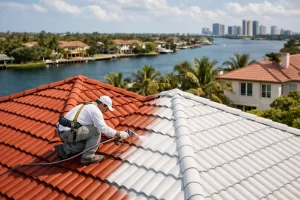
Reflective roof coatings
The roof is often the most exposed surface on the property and one of the most overlooked opportunities for heat management. A properly specified roof coating, such as a Reflect-Tec® system for eligible roof surfaces, can create a reflective protective layer that helps manage heat exposure and weathering.
Roof painting is not appropriate for every roof type or every condition. A roof with active leaks, failed flashing, structural concerns, or significant substrate damage needs repair before any coating is considered. Coating over unresolved problems is not preservation – it is concealment.
When the roof is sound and the coating system is appropriate for its material, reflective roof protection can complement exterior wall coatings. The result is a more complete approach to reducing sun-driven stress across the home’s exterior.
Weatherproofing and crack treatment
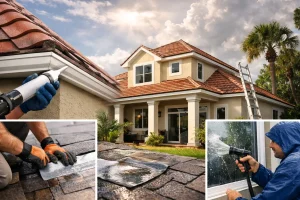
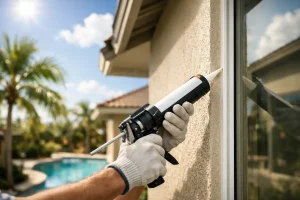
A coating can only perform as well as the surface beneath it. Florida stucco often develops hairline cracks, gaps around penetrations, and vulnerable transitions where water can enter. These areas require proper assessment and treatment before the finish coat is applied.
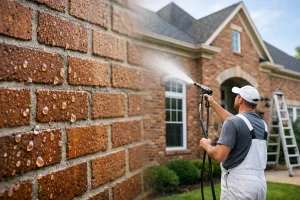
Weatherproofing is not the glamorous part of an exterior project, but it is where long-term performance is won or lost. Professional preparation may include cleaning, mildew treatment, crack repair, patching, sealing joints, and addressing loose or failing paint. Skipping these steps can leave a beautiful new finish sitting on a weak foundation.
Exterior materials with lower upkeep
Some homeowners consider replacing siding, trim, or decorative features rather than coating them. Fiber cement, quality PVC trim, aluminum components, and certain stone or masonry finishes can reduce maintenance compared with untreated wood. They are not automatically maintenance-free, however. Salt air can affect metals, joints can fail, and every material still needs occasional washing and inspection.
For many South Florida homes with serviceable stucco or masonry, replacement is unnecessary. Restoring and protecting the existing exterior with a premium coating can preserve the home’s appearance without the disruption and expense of major material replacement.
Why Conventional Paint Often Creates a Repainting Cycle
Conventional exterior paint is formulated to provide color and a protective film, but its performance depends heavily on product quality, surface preparation, application conditions, and exposure. In South Florida, even good paint can fade, chalk, lose flexibility, or become vulnerable to moisture over time.
Repeated repainting can seem affordable when viewed one project at a time. Over a decade or more, the cost of pressure washing, repairs, primers, labor, paint, landscaping protection, and disruption adds up. It can also lead to a thicker accumulation of failing layers that must eventually be removed or stabilized before another repaint.
A maintenance-reducing coating changes the decision from “What color should we paint this year?” to “How do we protect this exterior for the long haul?” That is a more valuable question for homeowners focused on property condition, comfort, and resale appeal.
How to Choose the Right Exterior Protection System
Start with an honest inspection, not a color chart. The condition of the stucco, prior coatings, cracks, mildew, roof material, and exposure patterns should determine the recommendation. A home near the coast may need particular attention to salt exposure. A home with broad west-facing walls may benefit most from heat-reflective performance. A home with recurring staining may need moisture and drainage issues corrected before coating.
Then evaluate the contractor, not just the product name. Ask whether the company is state licensed, whether its crews are trained for the specific coating system, how surface repairs are handled, and what the warranty actually covers. A premium coating applied over poor preparation will not deliver premium results.
Tri-County Painters approaches exterior work as a home protection decision, pairing licensed contractor expertise with factory-certified application of advanced coating systems. That focus matters because long-term performance comes from the complete system: inspection, preparation, repairs, application standards, and warranty-backed materials.
Set Realistic Expectations for Low-Maintenance Living
Even the highest-performing exterior coating benefits from simple care. Wash exterior surfaces periodically to remove salt, dirt, and organic buildup. Keep sprinklers from constantly soaking walls. Trim vegetation away from the house, and address new cracks, roof issues, or drainage concerns promptly rather than waiting for visible damage.
Those basic habits are not a failure of a low-maintenance system. They are how a smart homeowner protects an investment. The goal is not to ignore your home’s exterior. The goal is to replace frequent, expensive repainting with a durable protective finish and a manageable inspection routine.
If your exterior has become a recurring item on the maintenance calendar, look beyond another standard paint job. The right coating system can give your South Florida home a stronger defense against sun, rain, heat, and fading while helping it keep the clean, cared-for appearance you expect.