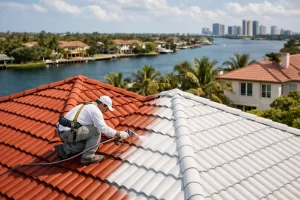
A roof coating energy savings case starts where many South Florida homeowners feel the problem most: in an upstairs room that never seems to cool down, even with the thermostat working overtime. When the roof absorbs relentless sun, that heat moves into the home, places added demand on the HVAC system, and turns a manageable cooling bill into a recurring frustration. A properly specified reflective roof coating can reduce that heat burden while protecting the roof surface from the climate that causes so much wear in the first place.
For a homeowner, the real question is not whether a white or reflective roof looks cooler. The question is whether the coating is the right long-term investment for the roof you have, the energy use you are paying for, and the conditions your property faces every day.
Why South Florida Roofs Drive Cooling Costs
South Florida roofs take a direct hit from high solar exposure, heavy rain, humidity, and, in many communities, salt-laden air. Dark, faded, or weathered roof surfaces absorb solar energy throughout the day. That energy raises the temperature of the roof assembly and can transfer downward into attic spaces and living areas.
Your insulation, ventilation, ductwork, ceiling construction, and air-conditioning system all affect the final result. Still, the roof is a major part of the building envelope. If it is continually absorbing heat, your cooling system must remove more heat to maintain the temperature you want indoors.
This is why homeowners often notice the greatest discomfort in rooms directly below the roofline, especially bedrooms, bonus rooms, and second-floor spaces. The issue is not always an aging air conditioner. In many cases, the home is simply gaining more heat than it should through an exposed roof surface.
A reflective coating changes that starting point. Rather than allowing the roof to absorb as much solar energy, it reflects a greater portion away from the structure. Less absorbed heat can mean a cooler roof surface and a lower heat load on the home.
The Roof Coating Energy Savings Case: What Actually Creates Savings
Energy savings from a roof coating are not magic, and responsible contractors should not promise that every home will achieve the same utility-bill reduction. The outcome depends on the roof color and condition before coating, the roof design, insulation levels, attic ventilation, thermostat habits, HVAC efficiency, shade, and local electric rates.
The underlying case is straightforward: reduce solar heat absorption at the roof, and the air-conditioning system may have less heat to remove. That can lower cooling demand during the hottest parts of the day, when South Florida homes are often working hardest to stay comfortable.
Reflective roof coatings are designed to provide high solar reflectance. Their lighter, heat-reflective finish helps reduce roof surface temperatures compared with a conventional dark or heat-absorbing roof surface. A cooler roof can also help limit the daily expansion and contraction that contributes to surface stress over time.
That second benefit matters. A roof coating should not be evaluated only by a single month of electric bills. When professionally selected and applied, it can be part of a broader preservation strategy that addresses heat, UV exposure, moisture, and premature surface deterioration.
A practical example of how the value adds up
Consider a single-family home with a roof exposed to full afternoon sun and an air-conditioning system that runs heavily from late morning through early evening. If the existing roof is dark, faded, or heat-saturated, a reflective coating may reduce the amount of heat entering the roof assembly each day. The HVAC system may cycle less aggressively during peak conditions, and rooms below the roof may feel more even and comfortable.
The financial result varies, but the homeowner is not investing only in reduced cooling demand. The coating also creates a renewed protective layer over an eligible roof substrate. That can improve appearance, support long-term maintenance planning, and help avoid treating roof protection as an afterthought.
For homeowners who expect to stay in their homes, that combined value often makes more sense than repeatedly addressing surface problems after they become expensive.
When a Reflective Roof Coating Makes the Most Sense
A roof coating is not a substitute for roof repair or roof replacement when the roof system has failed. Active leaks, trapped moisture, damaged decking, significant structural concerns, or a roof at the end of its serviceable life must be addressed first. Coating over unresolved problems is not protection. It is postponement.
The strongest candidates are roofs that remain structurally sound but show signs of UV exposure, fading, weathering, or reduced surface performance. The existing material also matters. Different roof types require different preparation methods, primers, and coating systems. A licensed contractor should inspect adhesion conditions, drainage, penetrations, flashing details, and the condition of the substrate before recommending a system.
Homeowners should also consider their goals. If the priority is lower attic heat, better comfort in sun-facing rooms, and a more energy-conscious exterior, reflective coating is worth evaluating. If the primary issue is a major roof defect, repairs or replacement may be the correct first step.
Application Quality Determines Performance
A premium coating can only perform as well as the preparation beneath it. This is where a professional coating contractor separates a lasting installation from a cosmetic roof paint job.
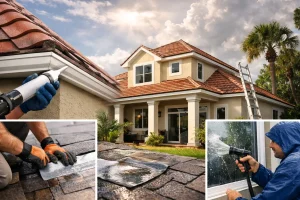
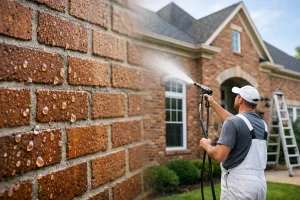
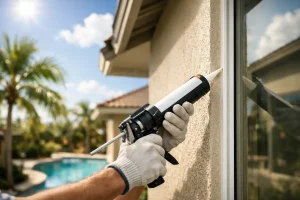
The roof must be cleaned thoroughly so dirt, chalking, mildew, loose material, and contaminants do not interfere with adhesion. Cracks, seams, fasteners, flashing transitions, and damaged areas require careful treatment. The surface must be dry and prepared according to the coating manufacturer’s specifications before the finish coats are applied at the proper coverage rate.
Skipping those steps can lead to peeling, uneven coverage, water intrusion concerns, or a coating that fails to deliver the protection the homeowner expected. In Florida’s climate, workmanship is not a small detail. It is part of the system.
Tri-County Painters applies Reflect-Tec® roof coatings with the same long-term mindset used for exterior protection: inspect first, prepare correctly, and recommend a solution based on the home rather than a generic sales pitch. Factory-certified application practices and licensed contractor oversight help protect the investment from the start.
Compare Coating Cost Against the Full Ownership Cost
It is easy to compare a roof coating quote with the price of basic paint and assume both are equivalent. They are not. Standard paint may change color, but it is not necessarily engineered to manage solar heat, withstand roof movement, or provide long-term weather protection in a demanding environment.
The better comparison is ownership cost. Consider the cooling demand created by a heat-absorbing roof, the frequency of maintenance, the risk of UV-driven deterioration, and the value of preserving a roof that is otherwise in sound condition. A higher-performance coating system may cost more upfront, but it can provide a more meaningful return when it reduces recurring hassles and supports the home’s efficiency.
That does not mean every roof should be coated. Homes with extensive tree shade may see a different energy benefit than homes with broad, unshaded roof planes. A heavily insulated attic may reduce the interior impact, though the roof surface can still benefit from UV protection. The right recommendation should be based on an inspection, not an assumption.
What to Ask Before You Approve a Roof Coating
Ask whether the roof is an appropriate coating candidate, what repairs are needed before application, and how the contractor will prepare the surface. Confirm the coating system is designed for your roof material and request clear information about manufacturer requirements, coverage rates, warranty terms, and ongoing care.
Also ask what energy result is realistic for your home. A qualified contractor should explain the factors that influence savings rather than offer a one-size-fits-all promise. That honest discussion is valuable because it connects the coating decision to your actual roof, cooling use, and long-term plans for the property.
Your roof sees more sun, rain, and UV exposure than almost any part of your home. If it is still a sound candidate for restoration, a professionally applied reflective coating can turn that exposure into a smarter opportunity: less heat absorbed, more comfort inside, and a stronger line of defense above your family.